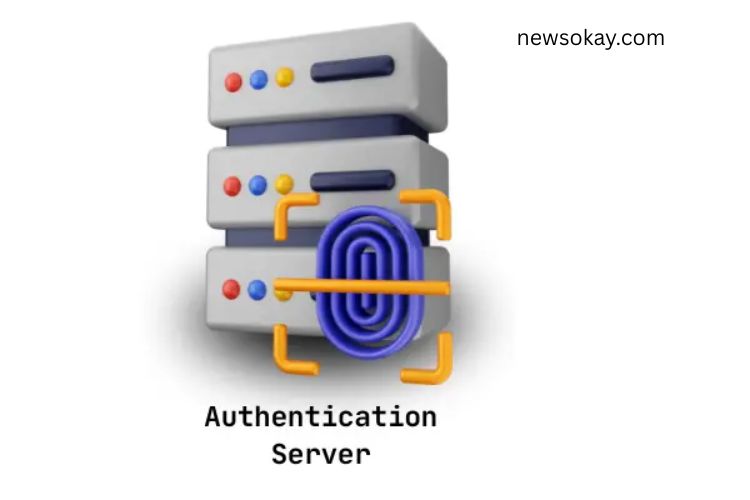
In today’s digital world, securing online accounts and systems is more critical than ever. An authentication server is a fundamental technology that ensures only authorized users gain access to websites, applications, or networks. By verifying user credentials, it prevents unauthorized access and protects sensitive data from cyber threats. Understanding how authentication servers work, the types available, and their benefits is essential for individuals and businesses alike.
Read More: https://newsokay.com/mastering-computer-operating-systems/
How Does an Authentication Server Work?
An authentication server works by validating the identity of users attempting to access a system. When you enter login details, such as a username and password, the server checks these against its stored records. If the credentials match, access is granted. If they do not, entry is denied. This process ensures that only authorized users can interact with sensitive systems, reducing the risk of data breaches.
The process is typically quick, seamless, and essential for maintaining secure digital environments. Many servers also use advanced methods like two-factor authentication or biometric verification to enhance security further.
Steps Involved in Authentication
The authentication process generally follows these key steps:
- User Input: The user enters their username and password.
- Verification: The authentication server checks the entered details against its database.
- Confirmation: If the credentials match, the user’s identity is confirmed.
- Access Granted: The user can now access the system or application.
- Access Denied: If the credentials are incorrect, access is blocked.
These steps ensure that sensitive systems remain protected and that only authorized individuals can gain entry.
Types of Authentication Servers
Authentication servers come in various types, each serving specific security needs. Choosing the right type depends on organizational requirements and the level of protection needed.
RADIUS (Remote Authentication Dial-In User Service)
RADIUS servers manage network access by verifying login details and controlling connections to Wi-Fi, VPNs, and other network services.
TACACS+ (Terminal Access Controller Access-Control System)
TACACS+ is ideal for large organizations that require detailed control over user permissions on network devices.
Kerberos
Kerberos uses tickets to securely validate identities over a network. It is widely used in environments where secure authentication is critical.
Active Directory
Active Directory is commonly used in Windows-based systems to manage users, roles, and access to resources efficiently.
SAML (Security Assertion Markup Language)
SAML allows single sign-on (SSO) access, enabling users to log in to multiple websites or services with a single set of credentials.
Authentication Server Protocols
Protocols define the rules authentication servers use to validate users and devices. They play a vital role in protecting sensitive data from unauthorized access.
- RADIUS: Manages network access permissions for users and devices.
- TACACS+: Provides granular control over actions users can perform on network devices.
- LDAP (Lightweight Directory Access Protocol): Manages user information in directories for authentication.
- OAuth: Allows apps to access data from other services without sharing passwords.
- OpenID Connect: Lets users log in securely via trusted services like Google or Facebook.
Common Authentication Methods
Authentication servers can use a variety of methods depending on security requirements and user convenience:
- Password-Based Authentication: Traditional username and password login.
- Two-Factor Authentication (2FA): Adds a second verification step, such as a code sent to a phone.
- Biometric Authentication: Uses fingerprints, facial recognition, or other physical traits.
- Token-Based Authentication: Provides temporary codes for access.
- Smart Cards: Physical cards with embedded chips for secure login.
- Single Sign-On (SSO): Allows access to multiple services with one login.
- OAuth Authentication: Lets users log in via trusted services without sharing passwords.
- Certificate-Based Authentication: Uses digital certificates to confirm identity securely.
Benefits of Authentication Servers
Authentication servers provide numerous advantages for both organizations and individual users:
- Protect accounts and sensitive data.
- Verify user logins quickly and reliably.
- Simplify user and access management.
Prevent unauthorized access.
- Ensure compliance with security standards.
- Enable single login for multiple systems (SSO).
- Track user activity and detect suspicious behavior.
Stop fake or fraudulent logins.
- Improve password management efficiency.
Use Cases of Authentication Servers
Authentication servers play a critical role in securing various digital environments. Here are some common applications:
Secure Website Logins
Websites rely on authentication servers to confirm user identity before granting access, protecting personal and financial information.
Corporate Network Access
Organizations use authentication servers to control employee access to internal networks, safeguarding confidential business data.
Multi-Factor Authentication (MFA)
Servers use MFA to add extra security layers, requiring multiple forms of identification for access.
Cloud Services Authentication
Cloud-based applications verify user identities through authentication servers to prevent unauthorized access to data and services.
Mobile App Security
Mobile apps integrate authentication servers to ensure that only verified users can log in and access sensitive information.
Government and Financial Systems
Banks and government agencies rely on authentication servers to protect critical systems and user data from cyber threats.
IoT Device Authentication
Authentication servers verify IoT devices before granting network access, preventing unauthorized devices from connecting.
Remote Access
Remote employees securely access corporate systems through authentication servers, ensuring safe connections from any location.
API Access Control
APIs use authentication servers to manage who can send or receive data, ensuring that only authorized users can interact with the system.
Choosing the Right Authentication Server
The ideal authentication server depends on your specific needs:
- RADIUS: Best for central network access control.
- TACACS+: Suitable for large organizations with detailed access requirements.
- Kerberos: Ideal for secure networks requiring ticket-based authentication.
- Active Directory: Perfect for businesses using Windows environments.
- SAML: Best for users needing single sign-on across multiple platforms.
Selecting the right server and authentication method ensures optimal security without compromising user experience.
Frequently Asked Questions:
What is an authentication server?
An authentication server is a system that verifies user identities before granting access to websites, applications, or networks, keeping sensitive information secure.
How does an authentication server work?
It checks the login credentials a user provides against stored data. If the credentials match, access is granted; if not, access is denied.
Why are authentication servers important?
They prevent unauthorized access, protect sensitive data, and ensure that only verified users can use a system, network, or application.
What types of authentication servers exist?
Common types include RADIUS, TACACS+, Kerberos, Active Directory, and SAML, each serving different security and organizational needs.
What authentication methods do servers use?
Servers use methods such as passwords, two-factor authentication (2FA), biometric verification, token-based access, smart cards, SSO, OAuth, and certificate-based authentication.
Can authentication servers secure mobile apps and cloud services?
Yes, they verify user identities for mobile apps, cloud-based platforms, and APIs, ensuring only authorized access.
What protocols do authentication servers use?
They rely on protocols like RADIUS, TACACS+, LDAP, OAuth, and OpenID Connect to validate user identities and control access securely.
Conclusion
Authentication servers are the backbone of digital security, ensuring that only authorized users can access websites, applications, networks, and sensitive data. By verifying credentials, employing secure protocols, and supporting advanced authentication methods like multi-factor and biometric verification, these servers protect both individuals and organizations from unauthorized access and cyber threats. Choosing the right type of authentication server and method is essential for optimizing security while maintaining a seamless user experience. From corporate networks and cloud services to mobile apps and IoT devices, authentication servers provide reliable, scalable, and efficient protection across all digital environments.