Enterprise Resource Planning (ERP) software is the backbone of modern business management. By integrating essential operations into one unified system, ERP software helps organizations handle finance, sales, inventory, human resources, and more efficiently. Choosing the right ERP solution can transform productivity, reduce costs, and improve decision-making. Here’s a comprehensive guide to some of the most popular ERP software in the market today.
Read More: https://newsokay.com/ultimate-beginners-guide-to-computer-storage/
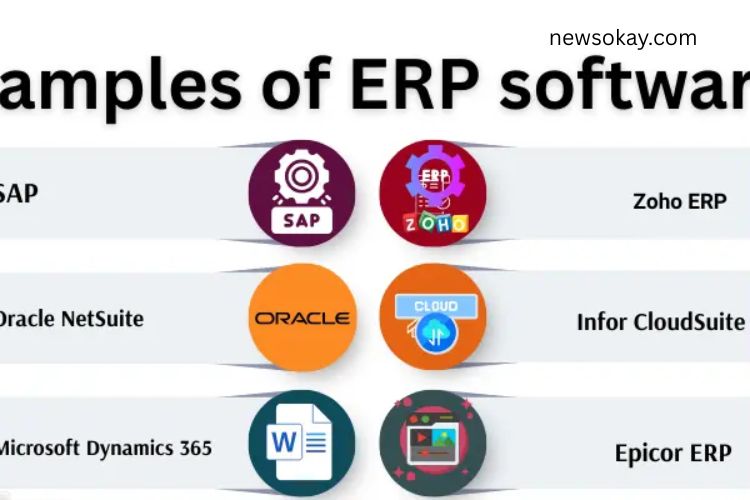
SAP – The Global ERP Leader
SAP is one of the most widely used ERP solutions worldwide. Large organizations rely on it to streamline operations, manage financials, sales, and inventory, and optimize business workflows. With SAP, tasks that once took hours are completed in minutes, ensuring businesses run smoothly every day.
Key Features of SAP:
- Intuitive and user-friendly interface
- Rapid data processing
- Flexible deployment options: cloud or on-premise
- Robust security system
- Multi-language support for global teams
SAP is ideal for businesses that require reliability, scalability, and extensive industry support.
Oracle NetSuite – Powerful and Scalable ERP
Oracle NetSuite is a cloud-based ERP solution trusted by businesses of all sizes. It integrates financial management, sales, inventory, and e-commerce, providing real-time insights for better decision-making. Companies appreciate NetSuite for its simplicity, speed, and flexibility.
Why Businesses Choose Oracle NetSuite:
- Clean and simple design for easy navigation
- Fast cloud-based performance
- Seamless integration of finance, sales, and inventory
- Real-time reporting and dashboards
- Scalable solution that grows with your business
NetSuite is perfect for companies aiming for growth without compromising efficiency.
Microsoft Dynamics 365 – Smart ERP for Every Business
Microsoft Dynamics 365 offers a comprehensive ERP experience, combining finance, sales, customer service, and operations management in a single platform. Its tight integration with Microsoft Office apps makes it convenient for organizations already using Microsoft products.
Top Features of Microsoft Dynamics 365:
- AI-powered insights for smarter decisions
- Mobile accessibility anywhere
- Automatic cloud updates
- Unified sales and customer data
- Seamless integration with Microsoft Office tools
Dynamics 365 is ideal for businesses seeking a versatile and intelligent ERP solution.
Odoo – Flexible Open-Source ERP
Odoo is an open-source ERP system popular among small and medium-sized enterprises (SMEs). It offers a modular approach, allowing businesses to use only the apps they need. From accounting to inventory management, Odoo provides flexibility and customization options that suit evolving business requirements.
Key Benefits of Odoo:
- Multiple business apps in one platform
- Easy to add or remove modules as needed
- Clean and intuitive design
- Suitable for small and growing businesses
- Free basic version available
Odoo’s adaptability makes it a favorite for companies seeking cost-effective, scalable solutions.
Zoho ERP – Smart and Affordable
Zoho ERP is designed for small and medium-sized businesses looking for an affordable, cloud-based solution. It efficiently manages finance, sales, projects, and operations, all while ensuring data security. Zoho ERP’s simplicity and cost-effectiveness make it a popular choice for growing organizations.
Why Choose Zoho ERP:
- Fully cloud-based with mobile support
- Seamless integration with other Zoho apps
- Simple dashboards and reporting
- Cost-effective plans for small businesses
- Easy online access for teams
Zoho ERP is perfect for startups and SMEs wanting powerful tools without high costs.
Sage Intacct – Streamlined Financial Management
Sage Intacct is a cloud-based ERP platform primarily focused on finance and accounting. It automates many processes, providing clear and accurate financial reporting. Businesses rely on Sage Intacct to save time, improve accuracy, and support growth.
Features of Sage Intacct:
- Real-time financial dashboards
- Cash flow tracking
- Multi-currency and global business support
- Integration with other business tools
- Scalable for growing companies
Sage Intacct is ideal for organizations seeking a specialized financial ERP solution.
Epicor ERP – Designed for Manufacturing and Distribution
Epicor ERP caters to manufacturing and distribution companies, helping them optimize production, supply chain, and customer management. With deep industry insights and mobile access, Epicor improves efficiency and collaboration across teams.
Epicor ERP Highlights:
- Handles complex manufacturing processes
- Provides actionable business insights
- Supports mobile access for field teams
- Flexible customization options
- Enhances team collaboration
Epicor is perfect for companies that require industry-specific ERP functionality.
Infor CloudSuite – Modern Cloud ERP
Infor CloudSuite is a fully cloud-based ERP solution designed for industries like healthcare, retail, and manufacturing. Its advanced features and AI-driven insights help businesses make smarter decisions and manage operations efficiently.
Benefits of Infor CloudSuite:
- AI-powered analytics for better decisions
- Multi-language support for global operations
- Seamless integration with other systems
- Strong cloud security
- Automatic updates without extra setup
Infor CloudSuite is ideal for large enterprises seeking modern and secure cloud ERP.
IFS Applications – ERP for Project-Based Businesses
IFS Applications focuses on service, construction, and manufacturing industries. It excels in project management, resource planning, and field service management, helping organizations stay organized and efficient.
Key Features of IFS Applications:
- Detailed asset and equipment tracking
- Advanced project planning tools
- Mobile and desktop support
- Easy system updates
- Field service management capabilities
IFS Applications suits companies that manage complex projects and require precise resource control.
Workday – Modern ERP for HR and Finance
Workday is a cloud-based ERP solution designed primarily for human resources and financial management. It centralizes employee data and financial operations, offering AI-powered insights and mobile access for seamless management.
Top Features of Workday:
- Smart dashboards for managers
- AI-driven analytics
- Mobile accessibility anywhere
- Automatic cloud updates
- Comprehensive planning and analysis tools
Workday is trusted by large organizations seeking a reliable, modern ERP for HR and finance.
Choosing the Right ERP Software
Selecting the right ERP software depends on your business size, industry, and goals. Key considerations include:
- Scalability: Can it grow with your business?
- Ease of use: Is the interface intuitive for your team?
- Integration: Does it work seamlessly with your existing tools?
- Cost: Does it fit your budget without compromising functionality?
- Industry specialization: Does it cater to your specific industry needs?
By evaluating these factors, businesses can choose an ERP solution that enhances efficiency, improves data accuracy, and supports long-term growth.
Frequently Asked Questions:
What is ERP software and why is it important?
ERP (Enterprise Resource Planning) software integrates core business processes like finance, sales, inventory, HR, and customer management into a single system. It improves efficiency, reduces errors, and provides real-time insights, helping businesses make smarter decisions.
Which ERP software is best for large enterprises?
SAP, Oracle NetSuite, Microsoft Dynamics 365, and Workday are excellent choices for large organizations. They offer robust features, scalability, and strong support for global operations.
Can small businesses use ERP software effectively?
Yes! ERP solutions like Odoo, Zoho ERP, and Sage Intacct are designed for small and medium-sized businesses. They are flexible, cost-effective, and easy to implement without requiring extensive IT resources.
How does cloud-based ERP differ from on-premise ERP?
Cloud-based ERP is hosted online and can be accessed anywhere, with automatic updates and lower IT costs. On-premise ERP is installed locally on company servers and provides more control over customization and data security.
Can ERP software help with industry-specific needs?
Absolutely. Many ERP systems, like Epicor ERP and IFS Applications, are tailored for industries such as manufacturing, construction, healthcare, and retail, offering specialized tools and workflows.
Is ERP software expensive?
ERP costs vary depending on features, deployment type, and company size. Cloud-based solutions like Zoho ERP and Odoo are more affordable for small businesses, while large enterprises may invest more in solutions like SAP or Oracle NetSuite for scalability and advanced features.
How long does it take to implement ERP software?
Implementation time varies by system complexity and company size. Small businesses can implement cloud-based ERP in a few weeks, while large enterprises may take several months for full deployment.
Conclusion
Choosing the right ERP software can transform the way your business operates. From global powerhouses like SAP and Oracle NetSuite to flexible solutions like Odoo and Zoho ERP, there’s a solution for every company size and industry. The best ERP system centralizes operations, provides real-time insights, and automates repetitive tasks, allowing teams to focus on growth and innovation. Investing in the right ERP software not only streamlines workflows but also enhances productivity, ensures data accuracy, and supports long-term scalability. By carefully evaluating your business needs, industry requirements, and budget, you can select an ERP solution that drives efficiency, empowers decision-making, and sets your business up for lasting success.