
The tech and social media landscape continues to evolve at a rapid pace. From government regulations to soaring AI valuations, investors and users alike are witnessing dramatic shifts. Recent developments, such as Australia’s crackdown on social media for underage users and major movements in AI and semiconductor stocks, are making headlines worldwide. This article breaks down these key updates, providing insights for tech enthusiasts, investors, and general readers.
Read More: https://newsokay.com/nvidia-vs-coreweave-discover-the-smarter-ai/
Australia Cracks Down on Social Media: 4.7 Million Under-16 Accounts Deactivated
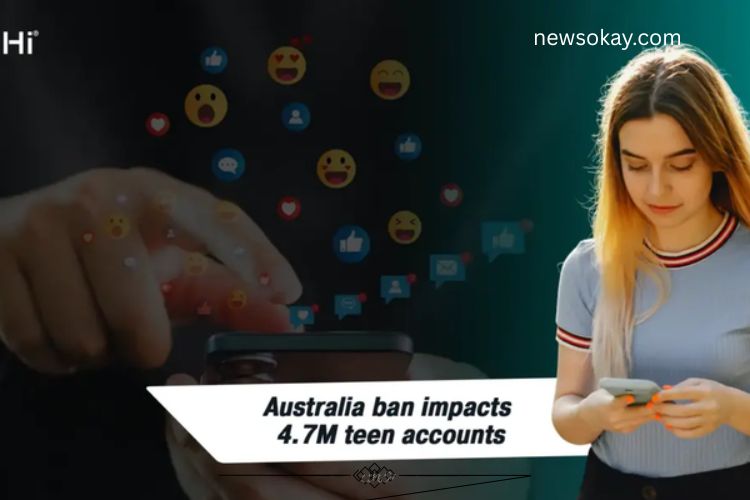
Australia recently implemented a strict ban on social media usage for individuals under 16, impacting millions of accounts. Approximately 4.7 million underage accounts have been deactivated as authorities enforce new digital age restrictions.
This decisive move stems from concerns over youth mental health, online safety, and excessive screen time. Experts suggest that early exposure to social platforms can contribute to anxiety, depression, and cyberbullying. By enforcing this ban, Australia hopes to create a safer online environment for children while encouraging healthy digital habits.
The ban has sparked debate. Parents and educators largely welcome it as a protective measure, whereas critics argue that it limits social interaction and educational access for minors. Regardless, the policy reflects a global trend toward stricter regulation of social media platforms, especially concerning young users.
CoreWeave Stock Falls 30%: Market Reaction Explained
In financial markets, CoreWeave stock recently experienced a sharp 30% decline. Analysts attribute this drop to a combination of investor sentiment and broader tech sector volatility. CoreWeave, known for its GPU-focused cloud computing services, faces competition from larger players like Nvidia and Amazon Web Services.
Despite strong demand for AI-focused infrastructure, market corrections can be expected in high-growth tech stocks. Investors are advised to monitor quarterly earnings reports and emerging partnerships, as these factors can influence recovery potential.
Crew-11’s Splashdown: NASA Conducts First Space Medical Evacuation
Space exploration continues to make headlines with NASA’s Crew-11 mission, which concluded with a dramatic splashdown from orbit into the ocean. This mission marked a historic milestone: the first medical evacuation from space.
Astronauts on board underwent comprehensive health monitoring during the mission. Medical teams coordinated in real time to ensure safety during the descent. This milestone highlights NASA’s ongoing commitment to astronaut health and the increasing integration of medical technologies in space missions.
Nvidia Stock Remains Stable Amid Analyst Optimism
While some tech stocks are volatile, Nvidia continues to maintain a strong market position. Wolfe Research recently reiterated an “Outperform” rating, signaling confidence in Nvidia’s long-term growth prospects.
The company remains a leader in AI hardware, gaming GPUs, and cloud computing infrastructure. Analysts note that Nvidia’s diverse product portfolio and strategic partnerships position it favorably, even amid short-term market fluctuations.
AI Boom and TSMC’s Investment Push Propel ASML Valuation Past $500 Billion
The AI revolution is fueling unprecedented growth for semiconductor companies. TSMC’s significant investments in chip manufacturing have supported ASML, pushing its market valuation past $500 billion.
This surge reflects global demand for AI-enabled hardware. Companies in industries such as cloud computing, autonomous vehicles, and AI research require advanced chips, driving revenue growth for leading semiconductor suppliers. The trend underscores the symbiotic relationship between AI development and semiconductor innovation.
Higgsfield AI Hits $1.3 Billion Valuation with $80M Funding Round
In the AI startup ecosystem, Higgsfield AI achieved a $1.3 billion valuation after closing an $80 million funding round. Specializing in AI-powered video platforms, the company has rapidly attracted investor attention due to its cutting-edge technology and scalable solutions.
This funding will enable Higgsfield AI to expand its product offerings, invest in research, and penetrate new markets. The achievement reflects a broader investor appetite for AI startups that demonstrate strong growth potential and real-world applicability.
Wikipedia Partners with Microsoft, Meta, and Amazon on AI
In a landmark move, Wikipedia has entered AI partnerships with Microsoft, Meta, and Amazon. These collaborations aim to enhance content discovery, improve information accuracy, and integrate AI-driven knowledge systems.
By leveraging AI tools, Wikipedia can more efficiently manage content, reduce misinformation, and streamline search functionality. This partnership also illustrates how major tech companies are increasingly relying on collaborative strategies to advance AI innovation.
TSMC Reports 35% Profit Surge on AI Chip Demand
Taiwan Semiconductor Manufacturing Company (TSMC) has reported a 35% increase in profits, driven by skyrocketing demand for AI chips. The semiconductor giant’s growth highlights the essential role of chip manufacturers in powering the next generation of AI applications.
TSMC’s expansion includes new manufacturing facilities and advanced R&D investments. Analysts predict continued growth as AI adoption spreads across industries such as healthcare, finance, and autonomous technology.
What This Means for Investors and Tech Enthusiasts
Recent developments across social media regulations, AI innovation, and semiconductor markets underscore the fast-paced nature of the tech sector. Key takeaways include:
- Regulatory changes, such as Australia’s social media ban, can have long-term implications for platform usage and user behavior.
- High-growth tech stocks like CoreWeave and Nvidia remain sensitive to market fluctuations and investor sentiment.
- AI continues to drive valuations, with startups and established companies alike benefiting from the demand for advanced hardware and software solutions.
- Strategic partnerships and technological breakthroughs, as seen with Wikipedia and Higgsfield AI, highlight the importance of collaboration in tech innovation.
Investors and tech enthusiasts must stay informed to navigate these dynamic trends, balancing opportunities with potential risks.
Frequently Asked Questions:
Why did Australia ban social media for under-16 users?
The ban aims to protect children from online risks such as cyberbullying, exposure to inappropriate content, and excessive screen time. Authorities believe early social media use can negatively affect mental health and development.
How many accounts were affected by the ban?
Approximately 4.7 million accounts belonging to users under the age of 16 were deactivated following the enforcement of the ban.
Which social media platforms are included in the ban?
The ban applies broadly to popular social media platforms accessible in Australia. Platforms are required to verify users’ ages and block accounts belonging to underage users.
What does this mean for parents and guardians?
Parents are encouraged to support the ban as it ensures a safer online environment for children. They can also guide their children toward age-appropriate digital activities and platforms.
Are there exceptions to the ban?
Currently, the ban is strict for all users under 16, with no official exceptions. Certain educational or monitored platforms may provide alternatives, but mainstream social media accounts must comply.
How will the ban be enforced?
Social media companies are responsible for verifying users’ ages during registration. Non-compliance could result in penalties, including account deactivation or legal consequences.
What impact will the ban have on young users?
The ban may reduce exposure to online risks and promote healthier digital habits. Critics, however, argue it could limit social interaction and access to educational content.
Conclusion
Australia’s decision to permanently deactivate 4.7 million under-16 social media accounts marks a bold step in safeguarding young users online. While the move sparks debate, it reflects a growing global focus on digital safety, mental health, and responsible technology use. As governments, parents, and platforms adapt to these changes, the ban sets a precedent for protecting children in an increasingly connected world. Staying informed about such policies is essential for parents, educators, and tech enthusiasts alike.