
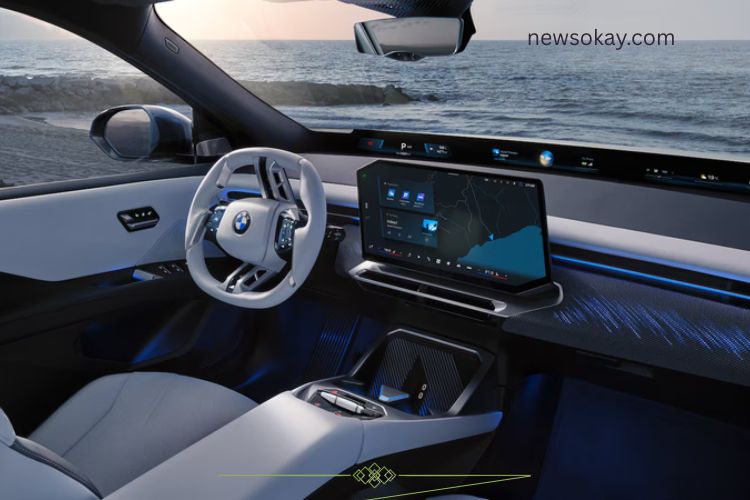
Major automakers are heading into CES 2026 with bold strategies, even as the number of traditional vehicle debuts remains limited. Scheduled to take place in Las Vegas from January 6 to 9, the world’s most influential technology show continues to evolve into a powerful platform for showcasing future mobility, software innovation, and advanced automotive technologies. Instead of unveiling production-ready vehicles, automakers are focusing on digital ecosystems, electrification breakthroughs, autonomous driving advancements, and next-generation user experiences.
CES 2026 highlights a shift in priorities across the automotive industry, where technology leadership now outweighs sheet metal reveals. From immersive in-car software to AI-powered driving systems, automakers are using the event to demonstrate how vehicles are transforming into intelligent, connected platforms.
Read More: https://newsokay.com/unlock-todays-nyt-connections-951-essential/
CES Evolves Beyond Traditional Car Launches
CES was once known primarily for consumer electronics, but it has become a key destination for automakers seeking to present cutting-edge innovation. Over the years, the show has moved away from mass vehicle unveilings, making room for technology-driven storytelling.
Automakers attending CES 2026 aim to position themselves as mobility technology leaders rather than just vehicle manufacturers. This approach reflects broader industry trends where software, connectivity, and automation define competitive advantage. By focusing on innovation rather than finished products, companies can demonstrate long-term vision while remaining flexible in an uncertain market.
Software Takes Center Stage in 2026
Software development stands at the heart of most automotive strategies showcased at CES 2026. Carmakers are increasingly designing vehicles around software-defined architectures that allow continuous updates, personalization, and improved performance over time.
Manufacturers are highlighting new operating systems, digital dashboards, and cloud-based vehicle platforms that enhance both safety and convenience. Advanced infotainment systems with AI-powered voice assistants, seamless smartphone integration, and real-time navigation improvements are gaining strong attention.
These innovations reflect a growing understanding that drivers expect vehicles to function like smart devices. Faster updates, improved security, and intuitive interfaces are now essential elements of modern mobility.
Artificial Intelligence Shapes the Future of Driving
Artificial intelligence plays a critical role in many of the announcements expected at CES 2026. Automakers are leveraging AI to improve driver assistance systems, enhance predictive maintenance, and optimize vehicle performance.
Advanced driver assistance technologies are becoming smarter, more adaptive, and more reliable. AI enables vehicles to learn from driving behavior, traffic patterns, and environmental conditions, improving safety and efficiency over time.
In addition to driving functions, AI is reshaping customer interaction. Personalized in-car experiences, adaptive climate controls, and intelligent route planning demonstrate how data-driven systems can elevate comfort and usability.
Autonomous Technology Remains a Key Focus
Autonomous driving continues to be a central theme at CES, even as timelines for full autonomy remain cautious. Automakers are using the show to present incremental progress rather than bold promises.
CES 2026 features demonstrations of enhanced hands-free driving, improved sensor fusion, and more robust safety redundancies. These technologies aim to support drivers in complex environments while maintaining high safety standards.
Rather than promoting fully driverless vehicles, automakers emphasize real-world applications that deliver immediate value. This approach builds consumer trust while laying the foundation for future automation.
Electrification Strategies Take a Strategic Turn
Electric vehicle innovation remains prominent at CES 2026, though the focus has shifted from vehicle reveals to infrastructure and efficiency improvements. Automakers are highlighting advancements in battery technology, charging solutions, and energy management systems.
Improved battery density, faster charging capabilities, and extended lifecycle performance dominate many discussions. These innovations aim to address consumer concerns about range anxiety and long-term ownership costs.
Manufacturers are also exploring integration between electric vehicles and energy ecosystems, including home charging, renewable energy sources, and grid support technologies. CES provides an ideal platform to demonstrate how EVs fit into a broader sustainable future.
Connectivity and Smart Ecosystems Gain Momentum
Connected vehicle technology represents another major focus at CES 2026. Automakers are expanding their ecosystems beyond the vehicle itself, integrating cars with smart homes, wearable devices, and urban infrastructure.
These connected platforms allow vehicles to communicate with traffic systems, charging networks, and digital services in real time. Enhanced connectivity improves safety, reduces congestion, and supports more efficient transportation networks.
Manufacturers are also showcasing partnerships with technology companies to strengthen digital ecosystems. These collaborations accelerate innovation while improving user experience through seamless integration.
Sustainability Shapes Long-Term Vision
Sustainability remains a guiding principle across many automotive presentations at CES 2026. Automakers are showcasing environmentally responsible materials, energy-efficient manufacturing processes, and circular economy initiatives.
Interior concepts feature recycled materials, renewable fabrics, and low-impact production methods. These designs align with growing consumer demand for sustainable products without sacrificing comfort or luxury.
Beyond vehicles, companies are highlighting broader sustainability commitments, including reduced emissions across supply chains and improved energy efficiency in production facilities.
Human-Centered Design Redefines the Cabin
Interior innovation plays a significant role at CES 2026 as automakers rethink how drivers and passengers interact with vehicles. The cabin is evolving into a digital living space focused on comfort, productivity, and entertainment.
Large displays, augmented reality interfaces, and minimalist controls define many concepts shown at the event. Automakers aim to reduce distraction while enhancing engagement through intuitive layouts and adaptive interfaces.
Human-centered design also prioritizes accessibility and inclusivity, ensuring that technology serves drivers of all ages and abilities.
Strategic Messaging Over Spectacle
CES 2026 emphasizes strategic communication rather than spectacle. Automakers use the event to shape narratives around innovation, trust, and long-term growth.
By focusing on technology roadmaps instead of flashy debuts, companies can demonstrate credibility and foresight. This approach resonates with investors, partners, and consumers who value sustainable progress over short-term hype.
The shift reflects a maturing industry where success depends on execution, reliability, and customer-centric innovation.
Why CES 2026 Still Matters for Automakers
Despite fewer vehicle launches, CES 2026 remains a vital event for the automotive industry. The show offers unmatched visibility for technology innovation and cross-industry collaboration.
Automakers benefit from engaging with technology leaders, startups, and policymakers in one global forum. These interactions drive partnerships that accelerate development and reduce time to market.
CES also provides valuable insights into consumer expectations, helping manufacturers align future products with real-world needs.
Frequently Asked Questions:
What is BMW’s Neue Klasse vision?
BMW’s Neue Klasse vision represents a next-generation vehicle platform focused on electrification, digital innovation, and sustainable manufacturing. It aims to redefine driving performance, software integration, and energy efficiency.
Why is Neue Klasse important for BMW’s future?
Neue Klasse serves as the foundation for BMW’s upcoming electric models. It enables advanced software-defined vehicles, improved battery technology, and scalable production for long-term growth.
What technologies is BMW highlighting through Neue Klasse?
BMW emphasizes advanced electric powertrains, next-level vehicle software, intelligent user interfaces, and enhanced driving assistance systems under the Neue Klasse strategy.
What can be expected from Mercedes at CES?
Mercedes plans to showcase cutting-edge automotive technologies at CES, including AI-driven software, next-generation infotainment systems, autonomous driving advancements, and digital vehicle ecosystems.
Why are automakers focusing on technology at CES instead of vehicle launches?
CES has evolved into a technology-first event. Automakers use it to highlight innovation, software platforms, and future mobility solutions rather than traditional vehicle debuts.
How does CES benefit BMW and Mercedes?
CES provides a global platform to present long-term innovation strategies, build technology partnerships, and demonstrate leadership in digital mobility and smart vehicle development.
Will BMW or Mercedes unveil new cars at CES?
Major vehicle launches remain unlikely. Both brands are expected to focus on technology concepts, software platforms, and future-oriented mobility solutions.
How does Neue Klasse support sustainability goals?
Neue Klasse promotes sustainable materials, energy-efficient production, and improved battery recycling, helping BMW reduce environmental impact across its vehicle lifecycle.
Conclusion
BMW and Mercedes are redefining automotive innovation by prioritizing technology, software, and sustainability over traditional vehicle launches. BMW’s Neue Klasse vision signals a bold shift toward intelligent, electric, and software-defined vehicles, while Mercedes’ upcoming CES technology reveals highlight its commitment to AI-driven mobility and advanced digital experiences. Together, these strategies reflect an industry-wide transformation where future-ready innovation, seamless connectivity, and long-term value take center stage. CES continues to serve as a critical platform for shaping the next era of mobility, proving that the future of driving is being built through technology as much as engineering.