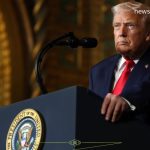
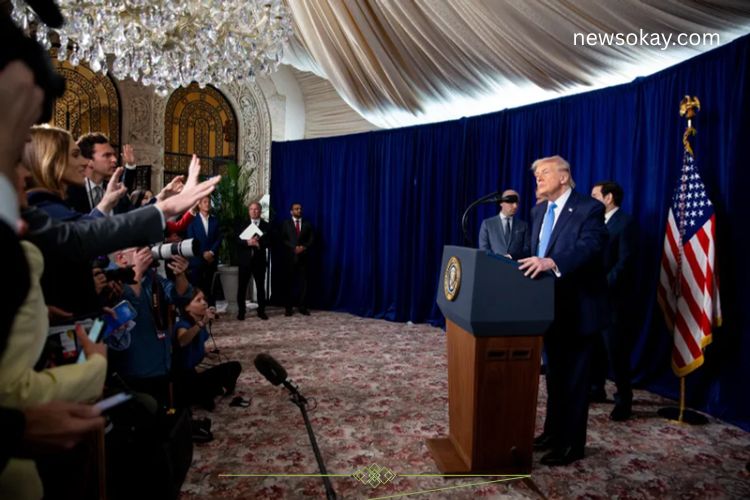
Momentum is building inside the Trump administration to rapidly install a cooperative interim government in Venezuela following the dramatic capture of President Nicolás Maduro. According to senior US officials, the immediate focus is not on democratic reform but on stabilizing state institutions, restoring oil production, and securing American strategic interests in the region.
Administration officials describe a fast-moving plan that uses US military presence, economic pressure, and diplomatic leverage to influence the remaining power structures in Caracas. The goal is to ensure continuity of governance while aligning Venezuela’s leadership with Washington’s demands.
Prioritizing Stability Over Elections
Rather than pushing for immediate elections, the White House appears intent on preventing chaos in a country already weakened by years of economic collapse and political unrest. Officials believe a rushed democratic transition could fracture the state, disrupt oil output, and invite regional instability.
Oil infrastructure, in particular, has become a top priority. Venezuela holds one of the world’s largest proven oil reserves, but years of sanctions, mismanagement, and neglect have left facilities in severe disrepair. US officials argue that stabilizing production is essential to both Venezuela’s recovery and global energy markets.
Delcy Rodríguez Emerges as a Transitional Figure
Central to the administration’s strategy is Venezuelan Vice President Delcy Rodríguez. Trump advisers identified her weeks ago as a potential transitional leader who could maintain internal order while cooperating with Washington.
Although Rodríguez initially condemned Maduro’s capture and attacked US involvement, American officials remained confident she would eventually engage. That assessment appeared validated when her public tone softened, shifting toward calls for cooperation and more balanced international relations.
By Sunday evening, Rodríguez openly signaled a willingness to recalibrate Venezuela’s foreign posture, emphasizing diplomacy over confrontation.
Senior US Officials Take the Lead
A tight circle of senior US officials is directing the Venezuela strategy. Secretary of State Marco Rubio, senior adviser Stephen Miller, and Defense Secretary Pete Hegseth are reportedly working on a framework for post-Maduro governance.
Meanwhile, Interior Secretary Doug Burgum and Energy Secretary Chris Wright have been tasked with encouraging US energy companies to re-enter Venezuela once conditions allow. Their focus includes rehabilitating oil fields, modernizing refineries, and ensuring long-term protection for American investments.
What Trump Meant by “Running” Venezuela
Clarity began to emerge over the weekend regarding President Trump’s controversial statement that the United States would “run” Venezuela. Administration officials say the phrase refers less to direct governance and more to controlling the direction of the transition.
US leverage includes a significant naval presence offshore, ongoing sanctions, and control over access to international energy markets. Officials suggest these tools will be used to ensure compliance from whoever holds power in Caracas.
In practice, that could resemble a temporary protectorate, enforced through military deterrence and economic pressure rather than formal occupation.
High Stakes and Serious Risks
Despite the administration’s confidence, the risks are substantial. Venezuela is home to more than 30 million people and spans a vast, complex territory. The US has had no official diplomatic presence there since its embassy closed in 2019, complicating on-the-ground coordination.
There are also security concerns. Protecting oil infrastructure could require deploying US personnel, potentially placing troops in harm’s way if resistance emerges from armed groups or loyalist factions.
Trump has brushed off comparisons to past American interventions, but critics warn that prolonged involvement could escalate quickly.
Rubio Outlines the Strategy
Appearing on Sunday talk shows, Secretary of State Marco Rubio offered the clearest explanation of the administration’s approach. He emphasized that Washington intends to guide Venezuela’s future path rather than administer day-to-day governance.
According to Rubio, US leverage includes oil tanker blockades, sanctions enforcement, and continued military pressure. These measures, he said, will remain in place until Venezuela’s leadership meets US demands.
Those demands include curbing drug and weapons trafficking, expelling foreign military and intelligence actors, and reorienting Venezuela toward Western-aligned norms.
Pressure Campaign Against Rodríguez
President Trump has not shied away from public threats. In a recent interview, he warned that Rodríguez would face severe consequences if she failed to cooperate, suggesting penalties even harsher than those imposed on Maduro.
At the same time, the administration appears to have sidelined opposition leader María Corina Machado. Despite her international recognition and Nobel Peace Prize, Trump has expressed doubts about her leadership capacity and political readiness.
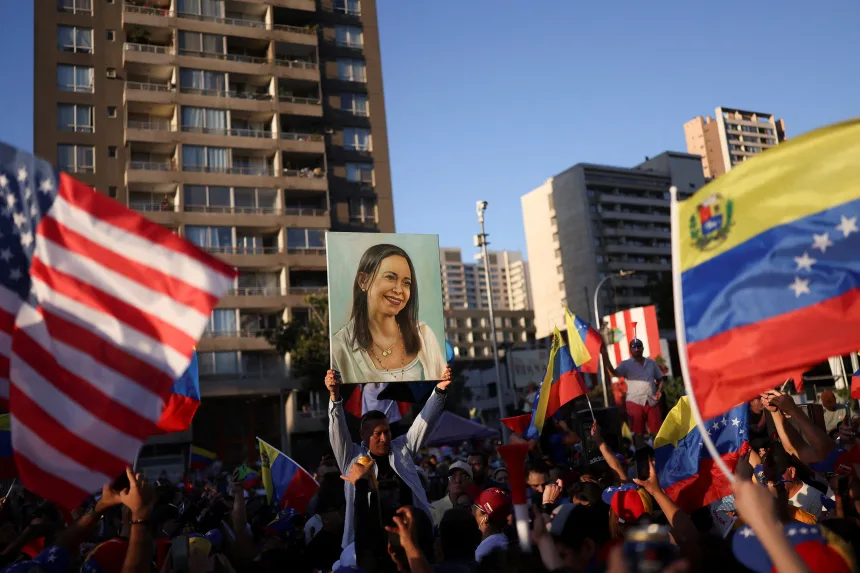
Advisers say Machado was never fully embraced by the president, who questioned whether she could command loyalty or protect US interests during a fragile transition.
Rodríguez Pushes Back—Publicly
Despite US pressure, Rodríguez has shown little overt submission. She initially declared that Maduro remained Venezuela’s legitimate leader and condemned the US operation as an act of aggression.
American officials, however, interpreted those statements as messaging for domestic audiences rather than a rejection of private negotiations. They appeared unfazed by the contrast between Rodríguez’s public rhetoric and her quieter diplomatic signals.
Later comments from Rodríguez emphasized peace, dialogue, and regional stability, suggesting room for continued engagement.
Judging Actions, Not Words
Rubio has stressed that the administration will judge Venezuela’s leadership based on concrete actions rather than public statements. Compliance, cooperation, and measurable progress will determine Washington’s next steps.
While officials have declined to disclose details of their communications with Rodríguez, they say expectations include greater transparency, enforcement cooperation, and alignment with US security priorities.
Sanctions relief, they suggest, remains conditional and reversible.
Guarantees at the Heart of Any Deal
Former US officials familiar with Venezuelan politics say any agreement with Rodríguez will hinge on guarantees for regime insiders. Protection from prosecution, asset security, and safe exit options are likely prerequisites for cooperation.
Observers describe Rodríguez as a committed ideological figure unlikely to abandon power without significant assurances. Any transition, they argue, will involve careful negotiation rather than capitulation.
Whether Rodríguez seeks to remain in charge or secure a safe departure, her decisions will shape Venezuela’s immediate future.
Democracy Deferred, Not Abandoned
One notable absence from recent rhetoric is a clear timeline for democratic elections. While US officials insist democracy remains the ultimate goal, they acknowledge that immediate realities take precedence.
Stabilization, security, and economic recovery are being treated as necessary first steps. Elections, officials argue, cannot succeed without functioning institutions and basic public order.
For now, Venezuela’s democratic future remains undefined, suspended between long-term ideals and short-term power politics.
A Defining Moment for US Foreign Policy
The unfolding situation in Venezuela represents one of the most consequential foreign policy tests of Trump’s second term. It blends military pressure, economic leverage, and unconventional diplomacy in a volatile region.
Whether the strategy delivers stability or sparks deeper conflict remains uncertain. What is clear is that the United States is no longer operating from the sidelines. Washington has placed itself firmly at the center of Venezuela’s transition—shaping outcomes, setting conditions, and redefining influence in the Western Hemisphere.
Frequently Asked Questions:
What did President Trump mean when he said the U.S. would “run” Venezuela?
When President Trump said the United States would “run” Venezuela, he was describing an interim period in which the U.S. would guide the country’s political and economic direction until a formal transition of power occurs. This includes exerting significant influence over governance and key sectors such as the oil industry, rather than immediate establishment of full democratic self-rule.
Is the United States formally governing Venezuela right now?
No — despite the president’s statement, the U.S. has not installed a full administrative government in Caracas. Officials have described the role more as using leverage to shape political outcomes and influence policies during a transition rather than day-to-day governance.
Why is Venezuela’s oil industry central to the idea of “running” the country?
Trump highlighted Venezuela’s vast oil reserves as a core resource the U.S. wants to stabilize and rehabilitate. He said American companies would invest billions to repair oil infrastructure and generate revenue — framing this as part of the plan for economic revival and strategic control during the interim period.
Does “running” Venezuela mean U.S. troops are occupying the country?
Not necessarily. Trump’s comments referenced strong American involvement and the potential for military presence if needed, but there is no formal declaration of a full occupation. Officials have used terms like leverage and influence to suggest indirect control rather than a conventional military occupation.
How have Venezuelan authorities reacted to this statement?
Venezuelan officials, including interim leadership figures, have publicly rejected U.S. control. They have denounced the military operation and insisted Maduro remains their legitimate leader, even if Washington claims otherwise.
Is a democratic transition part of the plan?
American officials say they want Venezuela to return to democracy eventually, but they argue stabilization and economic recovery must come first. They view these steps as prerequisites before any credible democratic elections can be held.
How has the international community responded?
Global reactions have been mixed: some leaders criticize U.S. intervention as a violation of sovereignty, while others express concern about direct foreign influence in Venezuelan affairs. Regional and global powers differ on whether the move sets a dangerous precedent.
Conclusion
A stark shift in U.S. foreign policy has taken shape with President Trump’s assertion that America will “run” Venezuela, signaling an aggressive, influence-driven approach rather than a traditional push for immediate democracy. The strategy prioritizes stability, control over critical oil infrastructure, and compliance with U.S. demands, using military and economic leverage to shape outcomes in Caracas. While Washington frames its role as temporary and pragmatic, the lack of a clear democratic roadmap raises serious questions about sovereignty, long-term stability, and regional consequences. As events unfold, Venezuela’s future appears caught between strategic management by the United States and an uncertain path back to self-governance, making this moment a defining test of power, principle, and global influence.