
As 2025 comes to a close, artificial intelligence has reshaped our world more dramatically than ever. From revolutionary AI models to ethical debates and ambitious space computing plans, this year marked a defining moment in technology. Industries transformed, debates intensified, and boundaries of possibility were stretched.
In this comprehensive 2025 AI trends overview, we revisit the top milestones that defined the year. These breakthroughs not only made headlines but also set the stage for a future dominated by intelligent systems. Whether you’re an AI enthusiast, tech professional, or curious observer, these trends highlight the rapid evolution of AI and its societal impact.
Read More: https://newsokay.com/australia-cracks-down-on-social-media-4-7m/
OpenAI’s GPT-5 Series: The Agentic AI Revolution

August 2025 saw the launch of GPT-5, followed by GPT-5.1 in November and GPT-5.2 in December. These releases introduced truly agentic AI, capable of autonomously planning, executing, and iterating complex tasks with minimal human oversight.
Why GPT-5 Was Revolutionary
GPT-5 integrated reasoning capabilities natively, eliminating the need for separate “thinking modes.” Multi-step project management, enhanced tool integration, and voice functionality allowed the model to manage workflows end-to-end. The ChatGPT Agent combined web browsing, data synthesis, and autonomous output generation into a seamless system.
Real-World Impact
Adoption exploded across industries. GPT-5.2 outperformed human experts in knowledge work across 44 occupations, boosting productivity for companies like Notion, Box, and Shopify. ChatGPT Enterprise users reported saving 40–60 minutes daily, reshaping workforce strategies and sparking debates about job displacement.
Google’s Gemini 3 Pro: Multimodal Intelligence Redefined

On November 18, 2025, Google unveiled Gemini 3 Pro, a breakthrough in multimodal AI capable of understanding text, images, audio, and video in real-time. With a 1 million token context window, it processed massive documents and codebases with unmatched accuracy.
Enterprise Adoption
Gemini 3 Pro transformed marketing, education, and software development workflows. Advertisers generated hyper-personalized campaigns, while educators created interactive learning experiences. By December, Gemini 3 Flash became the default AI model in Google Search, exposing millions to next-level intelligence.
Market Impact
The launch triggered competition, forcing companies to innovate faster. Gemini 3 Pro set new industry benchmarks for multimodal reasoning, bridging human creativity and machine efficiency.
Anthropic’s Claude Opus 4.5: Coding Excellence

Anthropic’s Claude Opus 4.5 debuted on November 24, 2025, reclaiming the coding performance crown. It combined safety and autonomy, setting new standards in complex software workflows.
Performance and Safety
Opus 4.5 achieved 80.9% accuracy on SWE-bench Verified, outperforming competitors while excelling in ethical reasoning. Its constitutional AI foundation ensured safe deployment, influencing industry-wide safety practices.
Adoption and Cost
With accessible pricing, Opus 4.5 was quickly integrated into Microsoft, Google Cloud, and Amazon Bedrock platforms, demonstrating economic viability alongside high performance.
The Space AI Race: Orbital Computing Takes Flight

Tech giants revealed orbital AI data center plans to address Earth’s energy and cooling limitations. Google’s Project Suncatcher, SpaceX’s Starlink AI integration, and Blue Origin’s gigawatt-scale ambitions signaled a shift in infrastructure thinking.
Technical Vision
Space-based facilities offer continuous solar energy, natural radiative cooling, and grid independence. Estimates suggest a 40–60% reduction in energy costs once scaled.
Challenges and Timeline
High launch costs, radiation hardening, and data latency remain hurdles. Initial prototypes are expected by 2027–2028, with commercial deployment possible in the 2030s.
China’s Chip Independence Push
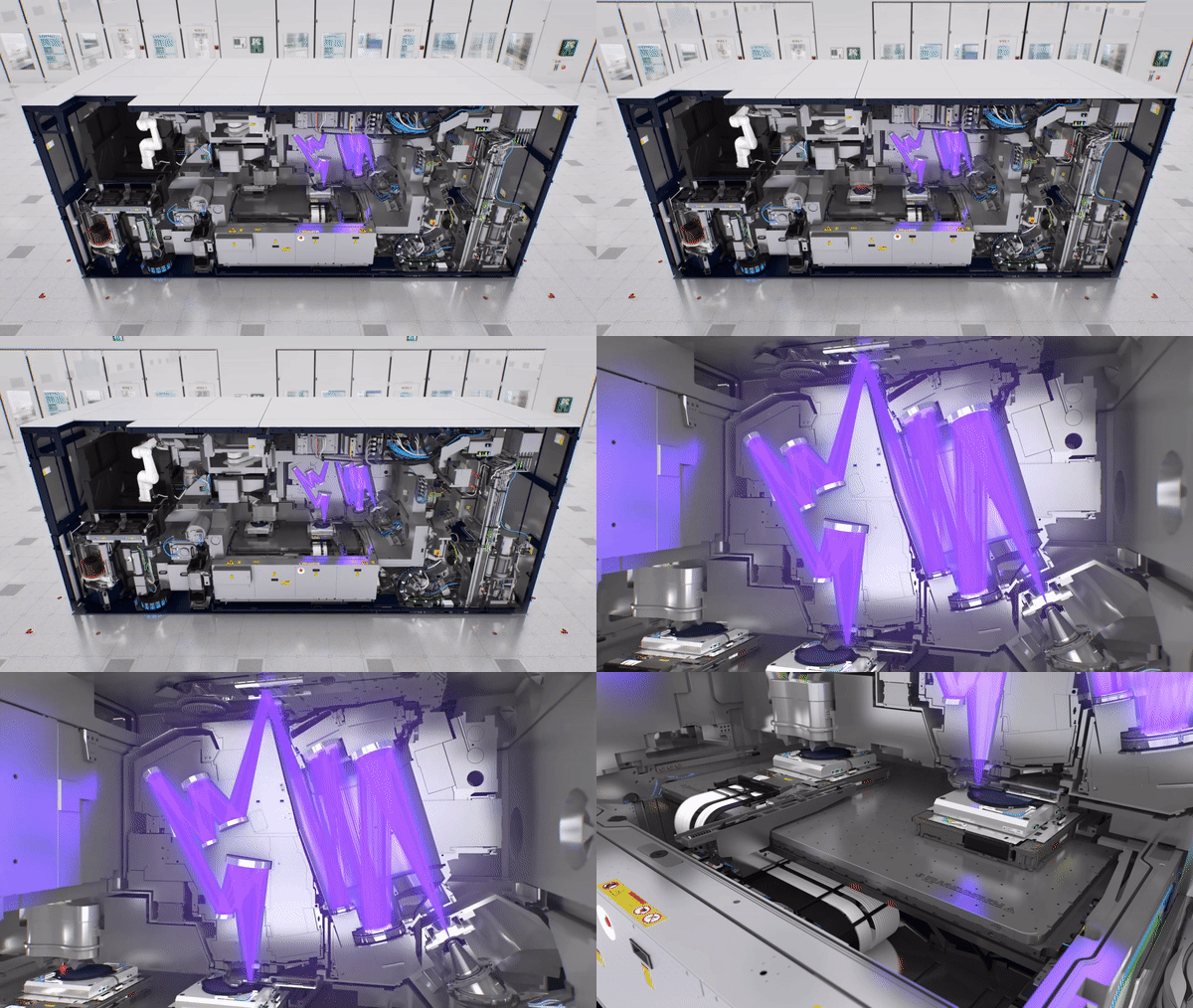
China made progress toward domestic semiconductor production, though challenges persisted. SMIC and Huawei produced 7nm-class chips using DUV lithography, but yields remained low compared to global standards.
Strategic Implications
China’s drive for AI chip sovereignty emphasized self-reliance, fueling domestic AI models like Baidu Ernie. While breakthroughs continue, achieving full EUV-based production remains a 2028 target.
Open-Source AI Models Rise
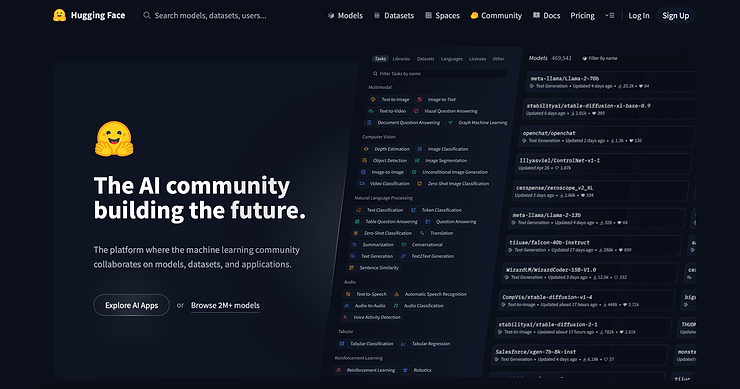
Open-source AI models challenged proprietary giants in 2025, democratizing advanced AI access. Meta’s Llama 3.5 excelled in low-resource languages and code generation, proving community-driven models could rival corporate research budgets.
Ecosystem Growth
Startups leveraged open-source frameworks to build AI applications in healthcare, education, and niche industries. Despite legal and safety debates, this movement accelerated innovation and forced corporate providers to reconsider pricing and accessibility.
The TPU vs GPU Hardware Battle

2025 intensified the competition between Google TPUs and NVIDIA GPUs. TPU v6 offered 30% higher energy efficiency, while NVIDIA optimized for edge computing and developer ecosystem loyalty.
Market Effects
Cloud providers cut prices, lowering the barrier for AI adoption. The hardware race highlighted a shift toward specialized AI accelerators, reshaping semiconductor landscapes and enabling more sustainable AI training.
AI in Defense and Cybersecurity

AI rapidly became a cornerstone of defense and cybersecurity. Systems detected threats in real-time, securing infrastructure against ransomware and zero-day attacks.
Applications
- Autonomous drones and border surveillance
- Predictive analytics for power grids and water systems
- AI-enhanced military strategy and logistics
The cybersecurity AI market reached $30–35 billion, with ethical debates over lethal autonomous weapons gaining prominence.
Enterprise AI Agents Transform Businesses

AI agents reshaped enterprise operations in 2025, handling workflows, sales, and software development autonomously. Einstein GPT, Microsoft Copilot, and AI SDRs boosted productivity while reducing operational costs.
Impact Metrics
Fortune 500 adoption reached 60–70%, with ROI reported at 200–300% within six months. AI-driven automation became an integral part of strategic decision-making.
The Creator Economy Meets AI
AI revolutionized content creation across media, video, and audio. Tools like Runway Gen-3, Pika 2.0, and AI voice cloning enabled creators to produce professional-grade content at scale.
Market Growth
The creator tools market grew to $20–25 billion, with AI-assisted production shortening timelines by 40–50% and enabling global multi-language content. Discussions on authenticity and copyright emerged as major considerations.
Additional Notable Trends
- Quantum-AI Integration: IBM and Google explored molecular simulations and optimization.
- Medical AI Advances: AlphaFold and AI-assisted diagnostics transformed drug discovery and treatment planning.
- Autonomous Vehicles: Tesla and Waymo expanded deployment, while regulatory challenges persisted.
- Investment & M&A: AI startups raised record funding; tech giants acquired infrastructure and vertical AI capabilities, signaling continued growth.
Frequently Asked Quetsions:
What were the biggest AI breakthroughs in 2025?
2025 saw major AI advancements, including OpenAI’s GPT-5 series, Google’s Gemini 3 Pro, Anthropic’s Claude Opus 4.5, and the rise of open-source AI models. These breakthroughs pushed boundaries in agentic intelligence, coding, multimodal processing, and enterprise automation.
How did AI impact businesses in 2025?
AI transformed enterprise operations by automating workflows, sales processes, and software development. AI agents like Microsoft Copilot and Salesforce Einstein GPT improved productivity, reduced costs, and enabled strategic decision-making across industries.
Which AI models led the market in 2025?
GPT-5.2 dominated general-purpose intelligence tasks, Gemini 3 Pro excelled in multimodal AI, and Claude Opus 4.5 led in coding and safe autonomous workflows. Open-source models like Meta’s Llama 3.5 also gained significant traction.
How did AI affect creative industries?
AI revolutionized content creation in media, video, and audio. Tools like Runway Gen-3, Pika 2.0, and AI voice cloning allowed creators to produce professional-grade content faster and at scale, while sparking debates on authenticity and copyright.
What role did AI play in cybersecurity and defense?
AI-powered systems enhanced threat detection, predictive analytics, and autonomous defense strategies. Nations and enterprises deployed AI to safeguard critical infrastructure, detect cyberattacks in real-time, and optimize military operations.
Were there any major AI hardware developments in 2025?
Yes. Google released TPU v6, while NVIDIA advanced GPU performance with Blackwell B200 chips. The TPU vs GPU competition reduced AI training costs, promoted energy efficiency, and accelerated specialized AI hardware adoption.
What were the trends in AI infrastructure?
Tech giants explored orbital computing to overcome Earth-based energy and cooling limitations. Cloud infrastructure investments surged, with AI startups raising record funding and enterprise adoption expanding globally.
Conclusion
2025 proved to be a transformative year for artificial intelligence, redefining what machines—and humans—can achieve together. From GPT-5’s agentic intelligence and Gemini 3 Pro’s multimodal breakthroughs to Claude Opus 4.5’s coding mastery and the rise of open-source AI, innovation accelerated across every sector. Businesses, creators, and governments alike felt the impact, with AI reshaping workflows, content creation, cybersecurity, and even space-based infrastructure planning. As AI continues to evolve, 2025 serves as a milestone, highlighting the power, potential, and responsibility of these technologies.