
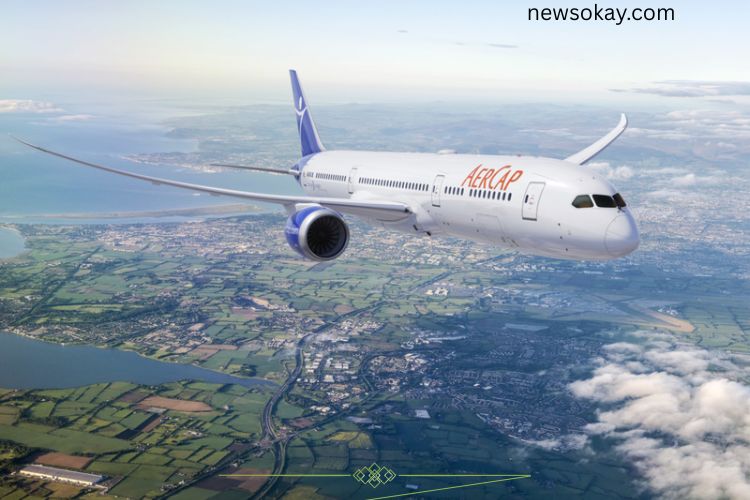
In today’s fiercely competitive commercial aviation environment, airlines increasingly choose to lease aircraft rather than purchase them outright. Leasing allows airlines to conserve capital, maintain fleet flexibility, respond quickly to market demand, and minimize risks associated with costly assets.
Aircraft leasing companies bridge this gap by acquiring aircraft and leasing them to airlines worldwide, reducing upfront costs while providing operational efficiency. In this article, we explore the largest aircraft leasing companies in the commercial aviation market and highlight their impressive fleet sizes.
Read More: OU Graduate Assistant Breaks Silence, Claims She Was Targeted in a Ruthless Political Campaign
| Lessor | Owned aircraft | Managed aircraft | Total fleet |
|---|---|---|---|
| AerCap | 1,515 | 166 | 1,681 |
| SMBC | 490 | 232 | 722 |
| Avolon | 601 | 36 | 637 |
| BBAM | 560 | – | 560 |
| Air Lease Corporation | 503 | 50 | 553 |
| BOC Aviation | 425 | 17 | 442 |
AerCap – The World’s Largest Owner of Commercial Aircraft
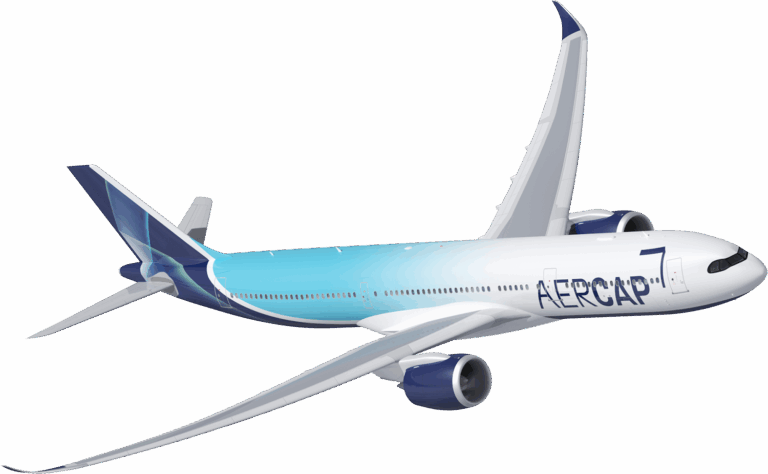
AerCap stands as the global leader in aviation leasing, covering aircraft, helicopters, and engines. Its portfolio includes 1,681 aircraft, 300 helicopters, and over 1,200 engines, making it the largest aircraft lessor in the world. The company owns 1,515 aircraft and manages an additional 166, with 358 aircraft and engines on order—90% of which are next-generation narrowbodies.
Valued at $72 billion in assets, AerCap serves over 300 customers worldwide, offering tailored fleet solutions to ensure reliable, efficient flight operations. The company is the largest lessor of the Airbus A320neo family and the Boeing 787 Dreamliner family. Over 90% of AerCap’s fleet comprises next-generation aircraft, including Airbus A320/A320neo, Boeing 737 NG, 737 MAX, and 787 families.
AerCap offers long-term lease agreements spanning up to 12 years, providing airlines with flexibility while maintaining modern, fuel-efficient fleets. For example, FlySafair recently expanded its fleet by leasing Boeing 737 MAX 8 and 737-800 aircraft from AerCap, further highlighting the company’s global reach and influence.
SMBC Aviation Capital – Every Minute, an Aircraft Takes Off or Lands
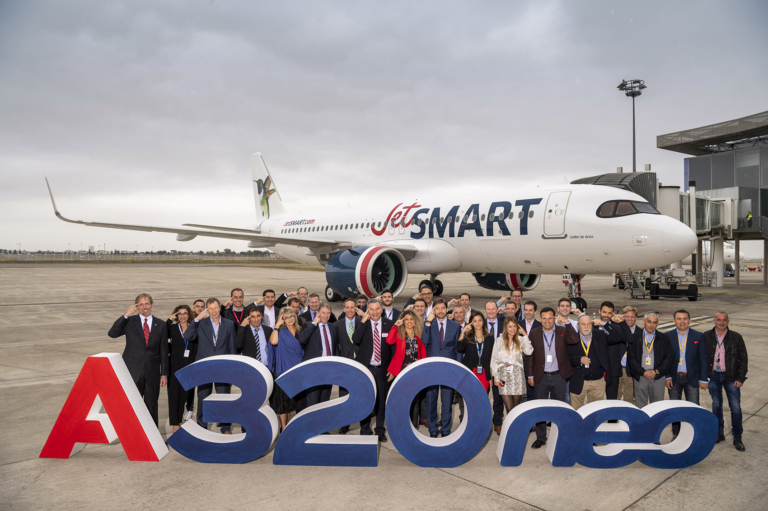
Headquartered in Dublin, Ireland, SMBC Aviation Capital is owned by a Japanese consortium led by Sumitomo Mitsui Banking Corporation (SMBC). The company manages a portfolio of 722 aircraft, including 232 managed for clients.
SMBC specializes in leasing, aircraft trading, asset management, and financing. Its strategy emphasizes acquiring young, in-demand commercial aircraft favored by airlines. The company maintains a strong order book of 239 aircraft, including Airbus A320neo and Boeing 737 MAX families.
A portion of SMBC’s fleet includes fuel-efficient widebodies such as Airbus A350s and Boeing 787s. Annually, SMBC delivers over 60 aircraft worldwide and excels in aircraft transition modification programs, which update aircraft between operators during lease transfers. This expertise ensures smooth operations for both airlines and investors.
Avolon – Leading with Youth and Efficiency
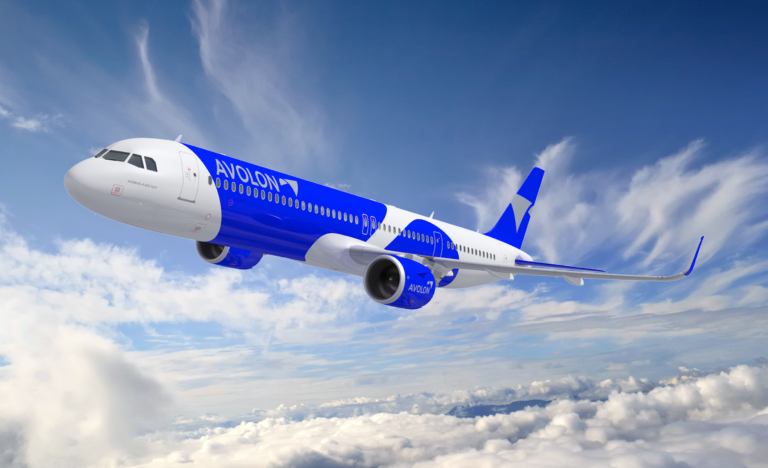
Founded in 2010, Avolon is a relatively young but influential player in aircraft leasing. The Ireland-based company owns 601 aircraft and manages 36 more, totaling 637 aircraft. Avolon also has 552 fleet commitments, 84% of which are Airbus A320neo and Boeing 737 MAX models.
Avolon’s strategy emphasizes modern, fuel-efficient aircraft, serving 141 airlines across 62 countries. The company acquires new aircraft directly and purchases young aircraft via sale and leaseback transactions, ensuring a modern and environmentally friendly fleet.
Avolon maintains meticulous records, manages maintenance reserves, and ensures insurance compliance for all leased aircraft. Its largest aircraft holdings include Airbus A320/A320neo, A330/A330neo, and Boeing 737 NG/MAX families.
BBAM – A Strong Presence in Passenger and Cargo Markets
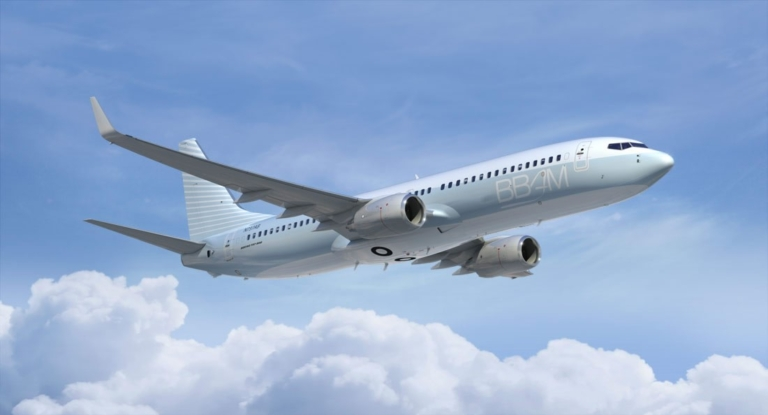
Babcock & Brown Aircraft Management (BBAM) manages 560 aircraft worth over $21 billion in assets. The Singapore-based private partnership serves more than 100 customers globally, with a fleet that includes a notable proportion of freighter jets: 17 Airbus A321-200P2Fs, 27 Boeing 737-800BCFs, 2 Boeing 767-300Fs, and 1 Boeing 777-200F.
BBAM has significantly boosted the share of new-technology aircraft in its passenger fleet. Its investments in fuel-efficient aircraft support sustainability goals while enhancing the efficiency of global air cargo operations.
Air Lease Corporation – Modern Aircraft with a Strong Order Book
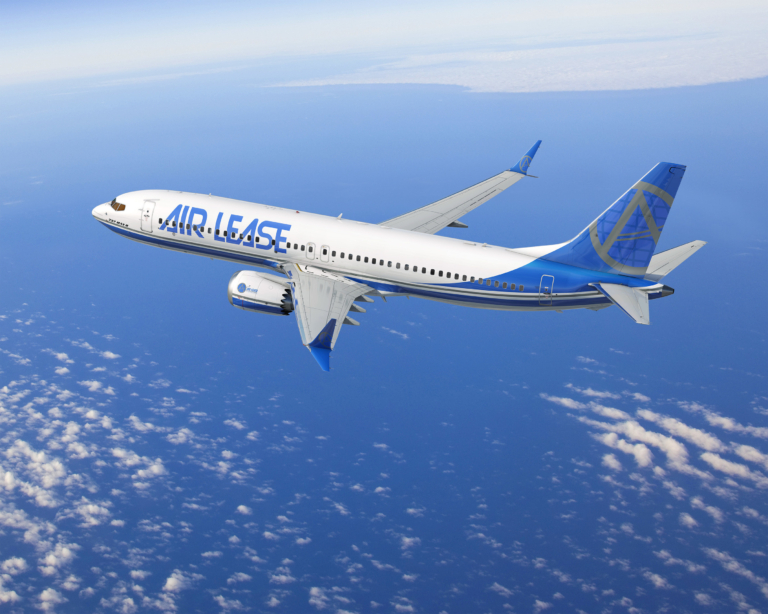
Air Lease Corporation (ALC) owns 503 aircraft and manages 50 more, with an order book of over 228 new aircraft through 2029. ALC focuses on fuel-efficient, next-generation narrowbody aircraft, offering 20–25% better fuel efficiency and lower noise emissions compared to older models.
Serving 108 customers across 55 countries, ALC specializes in fleet planning services that help airlines modernize their operations efficiently. Its portfolio includes widely used models such as the Boeing 737 MAX, ensuring high demand and operational reliability.
BOC Aviation – Global Reach with Strong Asset Management
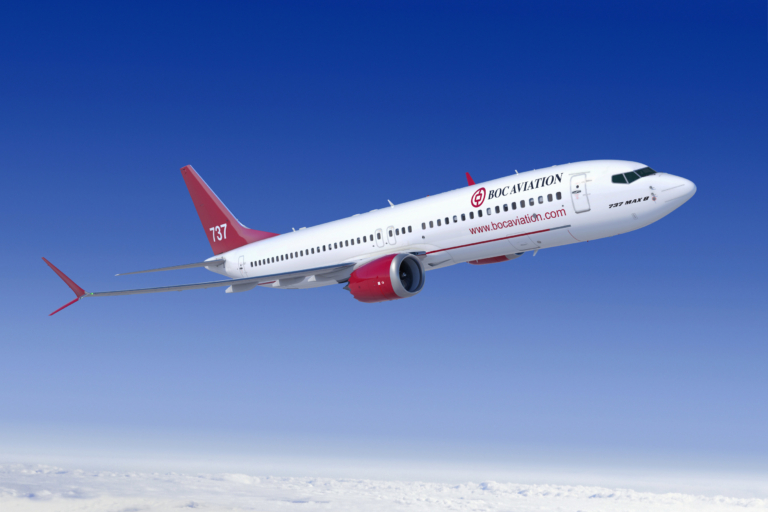
BOC Aviation is a leading aircraft lessor, managing 442 aircraft and 10 engines, with 17 additional aircraft managed for customers worldwide. The company holds fleet commitments for 343 new aircraft, primarily Airbus A320neo and Boeing 737 MAX families.
Based in Singapore, BOC focuses on acquiring fuel-efficient, high-demand aircraft directly from manufacturers. Bulk purchase discounts allow competitive lease rates, attracting customers for long-term operating and finance leases. 88 airlines in 46 countries use BOC’s fleet, which also includes Boeing 777-300ER and 787 aircraft.
BOC Aviation’s global redeployment strategy ensures maximum mobility for its fleet, giving airlines flexibility while maintaining high utilization rates.
Frequently Asked Questions:
What are commercial aircraft lessors?
Commercial aircraft lessors are companies that purchase aircraft and lease them to airlines. This allows airlines to operate modern fleets without the high upfront costs of buying planes, while lessors earn revenue through leasing agreements.
Why do airlines prefer leasing aircraft instead of buying?
Leasing provides financial flexibility, reduces capital investment, allows quick fleet expansion or reduction based on demand, and minimizes risks associated with ownership and depreciation of aircraft.
Who is the largest aircraft lessor in the world in 2026?
AerCap is the world’s largest aircraft lessor, owning over 1,500 aircraft and managing hundreds more. It specializes in next-generation aircraft like the Airbus A320neo and Boeing 787 Dreamliner.
Which lessor has the youngest and most fuel-efficient fleet?
Avolon focuses on modern, fuel-efficient aircraft, primarily Airbus A320neo and Boeing 737 MAX families. Their fleet strategy emphasizes sustainability and operational efficiency.
How many aircraft do top lessors typically manage?
Top lessors such as AerCap, SMBC Aviation Capital, and Air Lease Corporation manage fleets ranging from 400 to over 1,600 aircraft, including both owned and managed planes.
Which aircraft types are most popular among lessors?
Narrowbody aircraft like Airbus A320neo and Boeing 737 MAX dominate leasing portfolios. Widebody planes like Boeing 787 and Airbus A350 are also leased, especially for long-haul operations.
How do aircraft lessors benefit airlines globally?
Lessors help airlines modernize fleets, reduce operational costs, ensure timely delivery of aircraft, and provide flexibility for network expansion without large capital expenditure.
Conclusion
The commercial aircraft leasing industry is a cornerstone of modern aviation, enabling airlines to operate flexible, efficient, and fuel-conscious fleets without the burden of outright ownership. Leading lessors such as AerCap, SMBC Aviation Capital, Avolon, BBAM, Air Lease Corporation, and BOC Aviation dominate the market with vast portfolios of next-generation aircraft, supporting airlines across every continent. By focusing on modern, fuel-efficient fleets and global asset management, these leasing giants not only drive operational efficiency but also help airlines achieve sustainability goals. As air travel demand continues to grow and evolve, these dominant players will remain critical in shaping the future of commercial aviation, combining innovation, scale, and strategic expertise to meet the dynamic needs of the global airline industry.