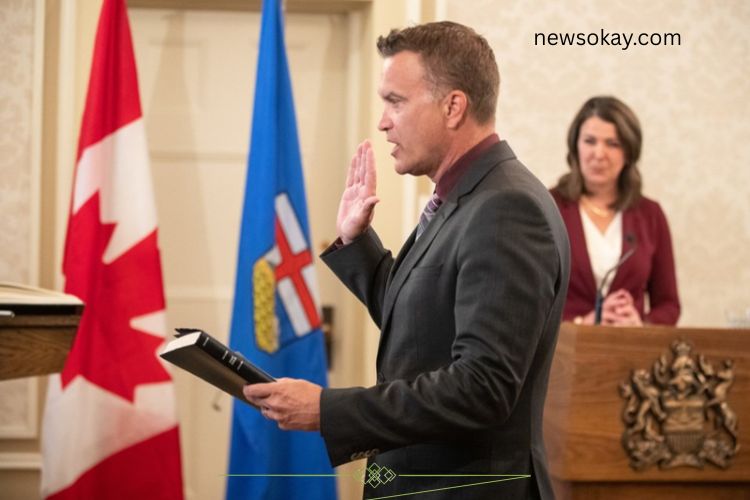
Alberta’s political landscape is showing signs of an unexpected shake-up. The Progressive Tory Party, a newly rebranded opposition force, is actively preparing for the possibility that Premier Danielle Smith’s United Conservative Party (UCP) could call a spring election, earlier than the scheduled October 2027 vote.
Peter Guthrie, leader of the Progressive Tories, emphasized the urgency of organizing quickly. “Time is not on the side of the UCP,” Guthrie said in a recent interview. “If you look at us organizing, we’re going to be more and more impactful each and every month. There is the possibility of a spring election, and we have to take that seriously, so we’re preparing for it.”
Read More: Alarming Spread of H3N2 Flu: Why Subclade K Is Striking Hard and Fast
Spring Election Rumors Stir Alberta Politics
While Alberta law sets the next general election for October 2027, speculation about an early election has intensified. Premier Smith has publicly dismissed these rumors, reaffirming her commitment to a full-term mandate. “Our intention is to continue to work for the next two years on the mandate that we were elected to govern on,” she said. “We have fixed election dates for a reason, and we have four-year mandates for a reason.”
Despite Smith’s assurances, political observers note that uncertainty around the timing has energized opposition parties. Guthrie and his team are seizing this moment to establish a centrist conservative alternative to the UCP.
Progressive Tory Party’s Strategy and Organization
The Progressive Tory Party is taking a structured approach to prepare for any potential early election. Guthrie revealed that the party has already established a governing board, and is actively building constituency associations, confirming candidates, raising funds, and developing a policy platform.
“There is no time to lose if we want to offer Albertans a real centrist conservative choice between Smith’s UCP and the NDP,” Guthrie explained.
The party’s efforts come amid a backdrop of political reshuffling. Guthrie himself, along with former UCP member Scott Sinclair, was cast out of the UCP last year. Guthrie resigned from his cabinet post over concerns regarding government procurement and alleged corruption in healthcare contracts. Sinclair was removed from caucus after threatening to vote against the government’s budget.
Reviving the Progressive Conservative Legacy
The Progressive Tory Party’s formation is part of a broader effort to revive the legacy of Alberta’s historic Progressive Conservative movement. Guthrie, Sinclair, and the Alberta Party attempted last year to reclaim the Progressive Conservative brand. However, the UCP, claiming legal ownership of the PC name and logo as a legacy party, opposed the move.
A lawsuit followed, with the United Conservative Association alleging that Guthrie, Sinclair, and Alberta Party president Lindsay Amantea conspired to mislead voters and damage the UCP’s image. The dispute is ongoing, with both sides working toward a resolution.
Despite these challenges, Guthrie and his team officially rebranded the party as the Progressive Tory Party, securing approval from Elections Alberta. The move signals a renewed effort to establish a distinct political identity and appeal to voters seeking a moderate conservative alternative.
Legislative Hurdles and Party Adaptation
The Progressive Tories have also faced legal and bureaucratic challenges. Recent legislation barred new political parties from including certain key words in their names, such as conservative, liberal, democratic, and wildrose. Justice Minister Mickey Amery described the law as non-partisan, aimed at preventing voter confusion.
Guthrie, however, criticized the legislation as an obstacle to building a competitive party. “They put a tremendous amount of hurdles in our way, trying to stop us and slow us down. You have no choice but to adapt ultimately, and so we did,” he said.
Another legislative change required registered Alberta political parties to complete formal incorporation by January 1. Elections Alberta granted the Progressive Tories a six-month extension, allowing the party sufficient time to meet the new requirements.
NDP and UCP Reactions to Potential Election
The possibility of a spring election has elicited reactions from other political leaders as well. NDP Leader Naheed Nenshi pointed out the uncertainty surrounding Smith’s potential decision. “They don’t have a strategy,” Nenshi said in a news conference. “They change their mind daily based on how popular they think they are and whether they believe they can survive until October 2027, given resignations and floor crossings.”
Premier Smith, however, remains confident in the UCP’s standing with voters. When asked about a potential early election, she noted that polling suggests her party would perform strongly. Still, the very discussion of a spring vote demonstrates the shifting dynamics within Alberta politics and the pressure facing all parties to prepare for any scenario.
Building Momentum in the Conservative Center
The Progressive Tory Party is positioning itself as a centrist alternative to the polarized landscape of Alberta politics. By appealing to voters who may feel alienated by the UCP’s policies or are seeking a moderate option between the UCP and NDP, Guthrie hopes to carve out a meaningful presence in the province.
The party’s current priorities include:
- Strengthening local constituency networks
- Recruiting credible candidates across the province
- Fundraising and building financial stability
- Developing a comprehensive policy platform to address key voter concerns
Guthrie stresses that momentum is critical. Every month of preparation strengthens their position, giving them an opportunity to influence the provincial political conversation before any potential vote.
Frequently Asked Questions:
What is the Alberta Tory Party?
The Alberta Tory Party, officially known as the Progressive Tory Party, is a centrist conservative party in Alberta. It was formed by former UCP members and the Alberta Party to provide voters an alternative to Premier Danielle Smith’s UCP and the opposition NDP.
Who is leading the Progressive Tory Party?
Peter Guthrie, a former UCP cabinet minister, leads the party. He resigned from his UCP post over concerns about procurement processes and alleged corruption in health-care contracts. Guthrie now focuses on building a moderate conservative option for Albertans.
Why is the party preparing for a spring election?
There are rumors that Premier Danielle Smith might call a spring election, earlier than the next scheduled vote in October 2027. The Progressive Tory Party is preparing to ensure it is fully organized, with candidates, policies, and constituency associations in place, should this happen.
What is Premier Danielle Smith’s stance on an early election?
Premier Smith has dismissed the possibility of a spring election. She emphasizes that Alberta has fixed election dates and four-year mandates for governing, and she intends to complete her current term.
How is the Progressive Tory Party different from the UCP?
The Progressive Tory Party positions itself as a moderate, centrist alternative. Unlike the UCP, which leans more right, the party aims to appeal to voters who may want conservative policies but with a balanced, centrist approach.
Has the Progressive Tory Party faced any legal or political challenges?
Yes. The UCP claimed ownership of the old Progressive Conservative brand and challenged Guthrie and his allies in court. Additionally, new legislation restricts political parties from using certain key words like “conservative” or “liberal” in their names, creating hurdles for new parties. Despite this, the Progressive Tory Party successfully rebranded and continues to operate legally.
Who else is part of the Progressive Tory Party?
Besides Peter Guthrie, Scott Sinclair, another former UCP member, is involved. Both left the UCP due to disagreements over government policies and internal controversies. The party also includes former members of the Alberta Party, creating a coalition of centrist conservatives.
Conclusion
Alberta’s political landscape is entering a period of uncertainty and strategic maneuvering. The Progressive Tory Party, under Peter Guthrie’s leadership, has positioned itself as a centrist alternative, preparing diligently for the possibility of a spring election against Premier Danielle Smith’s UCP. With organizational structures in place, a growing network of candidates, and a clear policy platform, the party aims to offer Albertans a meaningful choice between the polarized extremes of the UCP and NDP.