
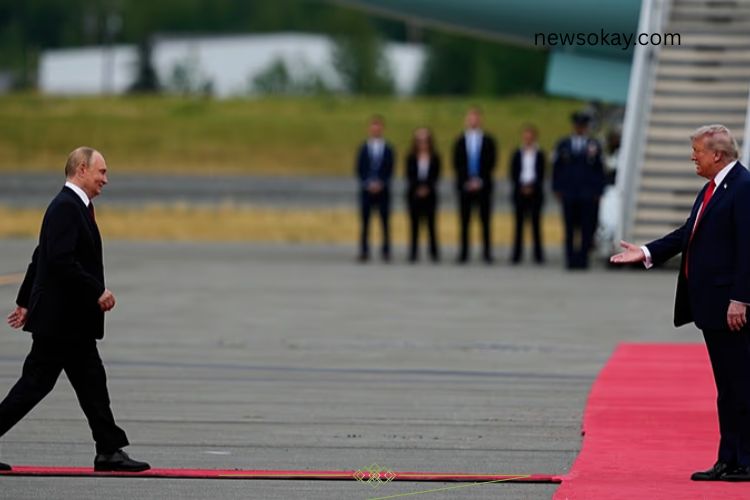
From red-carpet welcomes to military conflicts and trade wars, 2025 proved to be a year of upheaval and transformation. Nations faced crises ranging from wars and economic turmoil to political shake-ups, leaving the global order in flux. Here’s a detailed look at the key events that defined a tumultuous year.
Read More: Alberta Tory Party Strategizes for High-Stakes Spring Showdown Against Smith’s UCP
A Year Defined by Turbulence
For many, 2025 can be summed up in a single word: turbulent. Countries were struck by air strikes, economic tariffs, and political unrest. Wars and ceasefires alternated with protests, coups, and shifting alliances.
The Israel-Hamas conflict in Gaza concluded with a fragile US-brokered ceasefire, while Russia’s war in Ukraine dragged into its fourth year, reshaping Europe’s security concerns and challenging traditional alliances.
As the world grappled with these crises, Euronews highlights the most impactful events that left an indelible mark on 2025.
Trump’s Spectacular White House Comeback
On January 20, Donald Trump returned to the White House after defeating Kamala Harris, who replaced Joe Biden following his withdrawal from the race in July 2024. At 79, Trump’s comeback was historic, fueled by a diverse coalition of supporters including young voters, Latinos, and tech billionaires.
Trump signed 142 executive orders in his first 100 days, focusing on national security, immigration restrictions, energy independence, and government efficiency. By the end of 2025, he had issued 225 orders, signaling a transformative, and often controversial, shift in US policy.
His administration also clashed with the European Union, criticizing its regulatory policies and approach to migration. This unprecedented critique raised questions about the future of transatlantic relations.
A Strained US-Ukraine Alliance
Shortly after taking office, Trump sent a stark message to Ukraine: US military support would not be guaranteed. During a tense Oval Office exchange in February, Trump warned Ukrainian President Volodymyr Zelenskyy that he was “gambling with the lives of millions.”
Although military support resumed in July, European leaders grew skeptical of Washington’s reliability. By December, a US-Russia peace plan offered Ukraine 15-year security guarantees, but Kyiv looked to Europe for long-term backing amid ongoing uncertainty.
Trump’s “Liberation Day” Tariffs Shake Global Trade
April 2 marked a turning point in global trade when Trump imposed 10% tariffs on nearly every country, later suspending parts of the plan to open negotiations. By July, deals with the EU, UK, Japan, South Korea, Indonesia, the Philippines, and Vietnam were finalized.
The US-China trade relationship remained tense, with both nations observing a temporary truce on tariffs. The EU also agreed to purchase US energy and weaponry in exchange for reduced duties, while disputes over digital regulations and aluminum tariffs persisted through the year.
A New Pope for an Era of Reconciliation
In May, Robert Francis Prevost became Pope Leo XIV following Pope Francis’ death. The first US-born pope emphasized global peace, particularly in Ukraine and Gaza, calling for disarmament and humanitarian relief.
His early papacy set a tone of moral leadership, urging nations to prioritize diplomacy amid ongoing global conflicts.
Syria Rebuilds After Civil War
The fall of Bashar al-Assad in late 2024 marked the end of Syria’s long civil war. Rebel leader Ahmed al-Sharaa, formerly Abu Mohammed al-Julani, emerged as the new leader, advocating for international partnerships and the lifting of sanctions.
By December, the EU and US had lifted sanctions, allowing Syria a chance to rebuild. Al-Sharaa’s government introduced new banknotes featuring symbols of peace and recovery, signaling a fresh start for a nation long scarred by war.
Israel and the US Strike Iran
Amid the ongoing Israel-Hamas conflict, Israel launched strikes against Iranian military targets and nuclear facilities. The US joined with bombers and bunker-buster bombs, culminating in a 12-day confrontation.
A ceasefire, mediated by the US and Qatar on June 24, ended immediate hostilities, though both sides claimed victory. Iran’s missile and nuclear programs were reportedly damaged, though Tehran disputed the claims.
Putin’s Unprecedented US Visit
August saw Russian President Vladimir Putin receive a red-carpet welcome in Alaska, signaling a thaw in US-Russia relations under Trump. Despite the optics, the meeting produced no tangible results, and subsequent US sanctions on Russian oil highlighted continued tensions over Ukraine.
The Alaska summit, however, left a lasting political shadow, with Moscow leveraging the event to assert influence in negotiations.
Fragile Gaza Ceasefire
A fragile ceasefire between Israel and Hamas, brokered by the US, Qatar, and Egypt, brought a tentative end to nearly two years of devastating conflict.
Hamas released Israeli hostages in exchange for Palestinian detainees, while international forces prepared to stabilize Gaza. Despite these measures, sporadic clashes and humanitarian crises persisted, underscoring the ongoing fragility of peace in the region.
China’s Rare Earth Export Controls
China’s restrictions on rare earth minerals, vital for technology and defense industries, heightened global tensions. The EU explored retaliatory measures under its 2023 ACI framework to protect supply chains and reduce dependence on Chinese exports.
This strategic maneuver underscored China’s growing influence in global markets and the increasing challenge for Western nations to maintain industrial security.
Japan Elects Its First Female Prime Minister
Sanae Takaichi’s election on October 21 as Japan’s first female prime minister marked a historic milestone. A former heavy metal drummer turned hardline politician, Takaichi prioritized defense and regional security, approving a record ¥9 trillion defense budget by December.
Her leadership signals a decisive shift in Japan’s military and geopolitical posture, positioning the country as the world’s third-largest military spender.
West Africa’s “Coup Belt” Expands
Political instability in West Africa continued with coups in Guinea-Bissau and attempted takeover in Benin. The pattern, dubbed the “coup belt,” extends across the Sahel region, weakening European influence and strengthening ties with Russia through military and economic contracts.
These shifts challenge global powers, highlighting the growing influence of new players in geopolitics and resource control.
Frequently Asked Questions:
What were the most significant global events in 2025?
2025 was marked by major political, economic, and military events, including Trump’s White House comeback, the Israel-Hamas ceasefire, Russia’s ongoing war in Ukraine, trade wars with China and Europe, Syria’s reconstruction, and Japan electing its first female prime minister.
How did Trump’s return to the White House impact global politics?
Trump’s second term reshaped US foreign policy through aggressive tariffs, stricter immigration and national security measures, and a tougher stance on allies, particularly the European Union, altering the global political landscape.
What conflicts defined 2025?
Key conflicts included the Israel-Hamas war in Gaza, Russia’s extended war in Ukraine, US-Iran strikes on nuclear facilities, and political instability in West Africa, highlighting ongoing geopolitical tensions.
Were there any positive developments in 2025?
Yes. Syria began rebuilding after the fall of Bashar al-Assad, with international sanctions lifted. The Israel-Hamas ceasefire, despite being fragile, brought temporary peace to Gaza. Additionally, Pope Leo XIV emphasized global reconciliation and humanitarian action.
How did trade wars affect the global economy in 2025?
Trump’s “Liberation Day” tariffs created uncertainty in global markets, prompting negotiations with the EU, Asia, and other trading partners. China’s rare earth export controls further strained supply chains and highlighted the fragility of global trade dependencies.
Who were the new political leaders shaping the world in 2025?
Key figures included Donald Trump (US President), Sanae Takaichi (Japan’s first female Prime Minister), Ahmed al-Sharaa (Syria’s new leader), and Pope Leo XIV, who influenced both religious and global diplomatic matters.
What was Europe’s role in global events?
Europe faced challenges including reassessing NATO commitments, navigating US unpredictability on Ukraine, responding to Chinese export restrictions, and managing refugee crises from Syria and conflicts in West Africa.
Conclusion
2025 was a year that tested the resilience of nations, leaders, and global institutions. From political comebacks and historic elections to wars, fragile ceasefires, and economic upheavals, the world witnessed unprecedented shifts in power, trade, and diplomacy. Conflicts in Gaza, Ukraine, and West Africa, alongside trade tensions with China and the EU, revealed just how interconnected—and fragile—the modern world has become. Yet amid the turmoil, signs of hope emerged: Syria’s reconstruction, the Gaza ceasefire, and new leadership in Japan and the Vatican offered glimmers of stability and progress.