


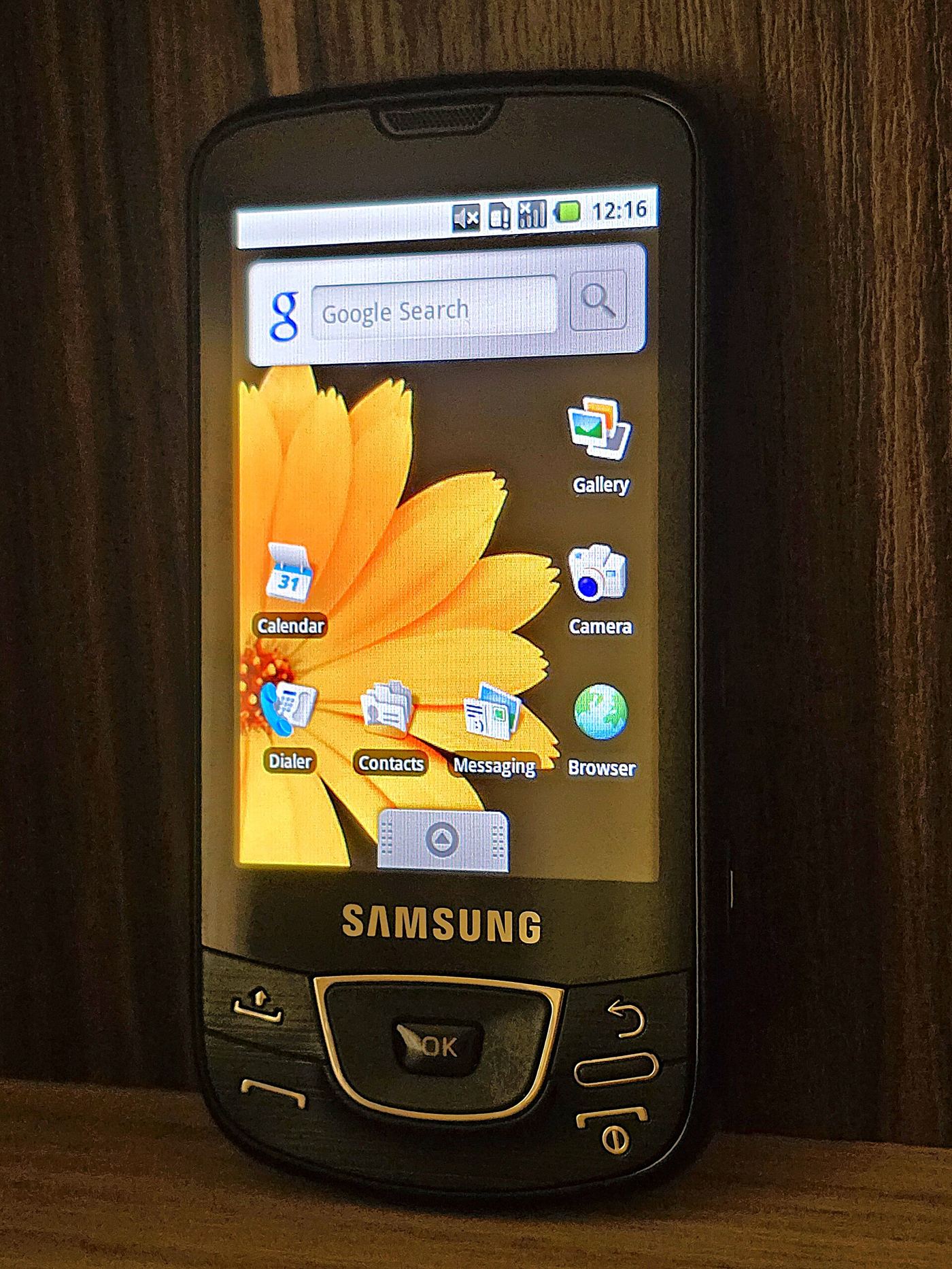
Samsung has launched the Galaxy A18 in Malaysia, a budget smartphone aimed at buyers who want a large screen and long software support at a low price. The phone was announced on 6 November 2026 and costs 1,199 Malaysian ringgit, with a promotional early-bird price of 1,099 ringgit until 31 December. It has a 6.7-inch Full HD+ display protected by Corning Gorilla Glass 3, a MediaTek Helio G99 processor and a 5,000 milliamp-hour battery. The Malaysian model is LTE-only, with 128 gigabytes of storage, and it runs One UI 9. Samsung is bundling a 25-watt wall charger during the promotional window. The phone costs 50 ringgit more than the Galaxy A17 after that model’s price adjustment, and it sits at the entry level of Samsung’s range.
What the Evidence Shows
The Galaxy A18 shows how Samsung is defending the budget end of the market, where Chinese rivals offer strong specifications at similar prices. A large display, a big battery and years of software updates matter more to many buyers than raw speed, and the Helio G99 is a proven chip for everyday apps, video and social media. The LTE-only choice keeps the price down in a market where 5G coverage is still patchy outside the cities. Samsung has also been rolling out the One UI 9.5 beta programme in India for its Galaxy S26 series, which opened on 17 November, showing that the company is refreshing both ends of its range at once. For buyers on a tight budget, the A18 is a straightforward offer: a big screen, a battery that lasts the day and a familiar brand. Reporting and analysis from sources such as MIT Technology Review track the same developments, and specialists following the Galaxy A18 say the direction is now consistent across independent lines of evidence.
The Wider Context
The wider context is an industry learning to ship capability and restraint together. Products built around the Galaxy A18 now launch with safety evaluations, usage data and rollback plans as standard, because enterprise buyers and regulators ask for them in the first meeting. Companies that treated those questions as friction are discovering they have become the purchase criteria.
What Happens Next
What happens next for the Galaxy A18 depends less on another breakthrough than on the unglamorous work of reliability, pricing and support. The buyers evaluating it now are not enthusiasts; they are operators with budgets and auditors, and their checklists will decide the timeline. On the evidence of the current pilots, the technology has earned the right to be judged by them. You can follow related developments in our coverage of technology.
There is a practical lesson in all of this for readers deciding what to do today. Start with the verified facts, be wary of anyone promising certainty, and prefer reversible steps while the evidence is still developing. Circumstances differ by country, income and personal situation, so general guidance should always be weighed against your own context before you act on it in any significant or lasting way.
