


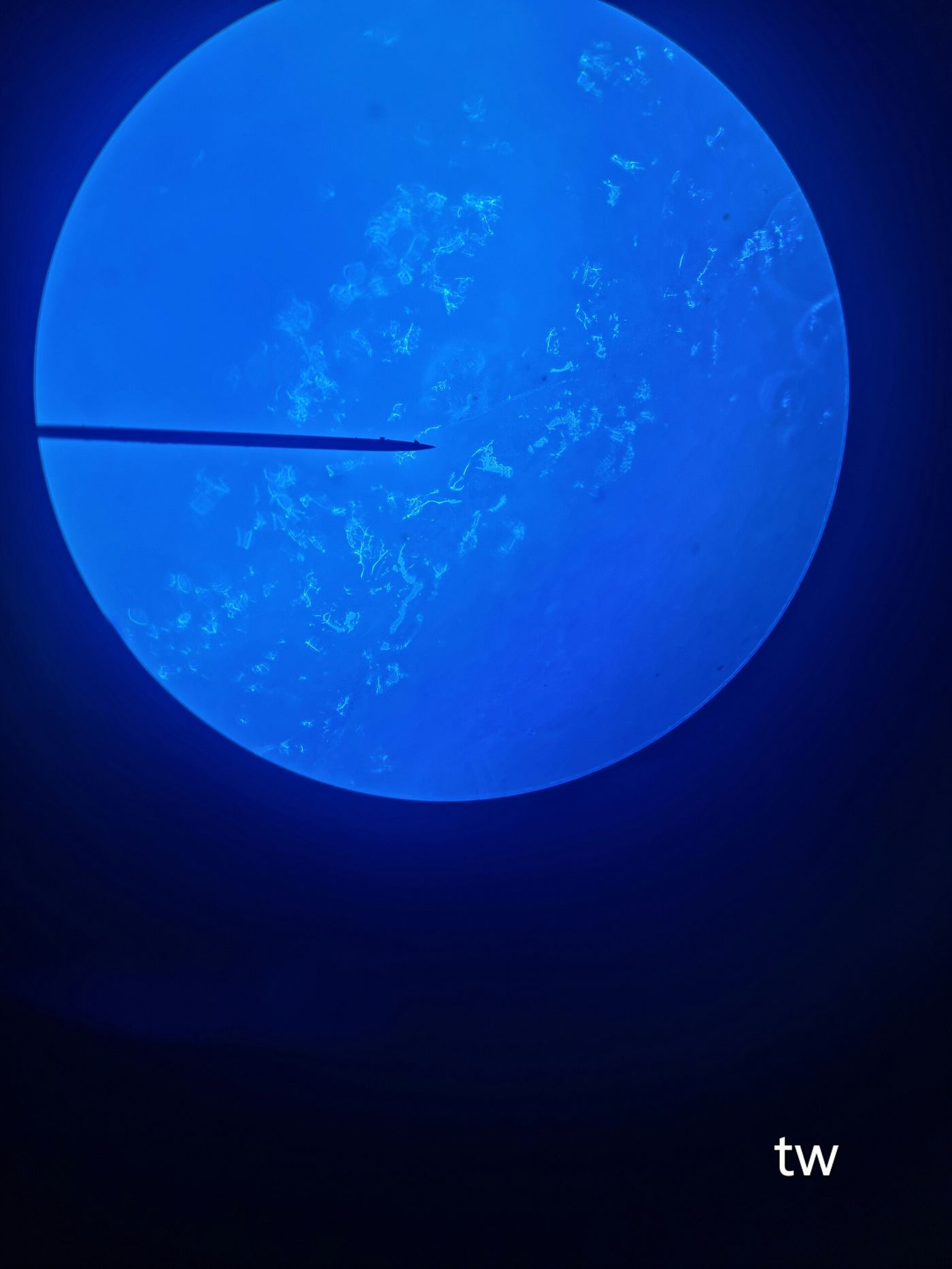
Microplastics — fragments shed by tyres, textiles, packaging and paint — have been detected in rain, soil, seafood and human tissue. The question that concentrates minds is drinking water, and a wave of new research is testing how completely modern treatment can remove particles once thought too small to catch. The results are cautiously encouraging: the technology works better than the headlines suggest, though the smallest particles remain stubborn.
Conventional treatment plants already remove a large fraction of microplastics through coagulation and sedimentation — particles clump with other matter and settle out. The frontier is the sub-micron range, where new membrane materials, biofilters seeded with plastic-digesting microbes, and even acoustic separation techniques are competing to close the gap. Our science pages follow the engineering as it moves from laboratory benches to pilot plants.
What We Don’t Know Is the Dose
Removal technology is racing ahead of toxicology. Researchers can now count particles smaller and smaller, but the health significance of chronic low-dose exposure is still being established; hazard depends on size, shape and chemistry, and detected does not automatically mean dangerous. That uncertainty cuts both ways in policy debates, with industry urging calm and campaigners urging precaution.
The source side may matter more than the filter side. The largest flows of microplastics into waterways come from tyre wear and synthetic clothing — problems addressed by road-runoff capture, washing-machine filters (now mandated for new machines in some jurisdictions) and textile redesign.
Practical Guidance, Honestly Labelled
For households, regulators such as the Environmental Protection Agency note that certified home filters can reduce particle counts further, while the biggest exposure reductions come from system-level fixes. The balanced view: your tap water is among the most controlled parts of the microplastics story, and the technology to make it cleaner still is arriving faster than the science that will tell us precisely how much that matters.
Measurement is quietly becoming policy. As detection methods standardise, regulators in Europe and elsewhere are moving microplastics onto formal water-monitoring lists — the bureaucratic step that precedes limits. Water utilities, reading the direction, increasingly publish particle counts alongside the traditional chemistry panels, betting that transparency now beats surprise later. The research community’s ask is for the studies to be funded in the right order: exposure science and treatment engineering are sprinting; the toxicology that tells us how much any of it matters is jogging. Until it catches up, the defensible position is the one the evidence supports — reduce what we can, measure what we release, and resist both panic and complacency with equal discipline. The glass of water, it turns out, is a reasonable place to practise that balance.
Simple habits still help at the margin — letting the tap run briefly after stagnation, maintaining certified filters properly, and supporting the unglamorous infrastructure bills when they reach the council agenda.
