


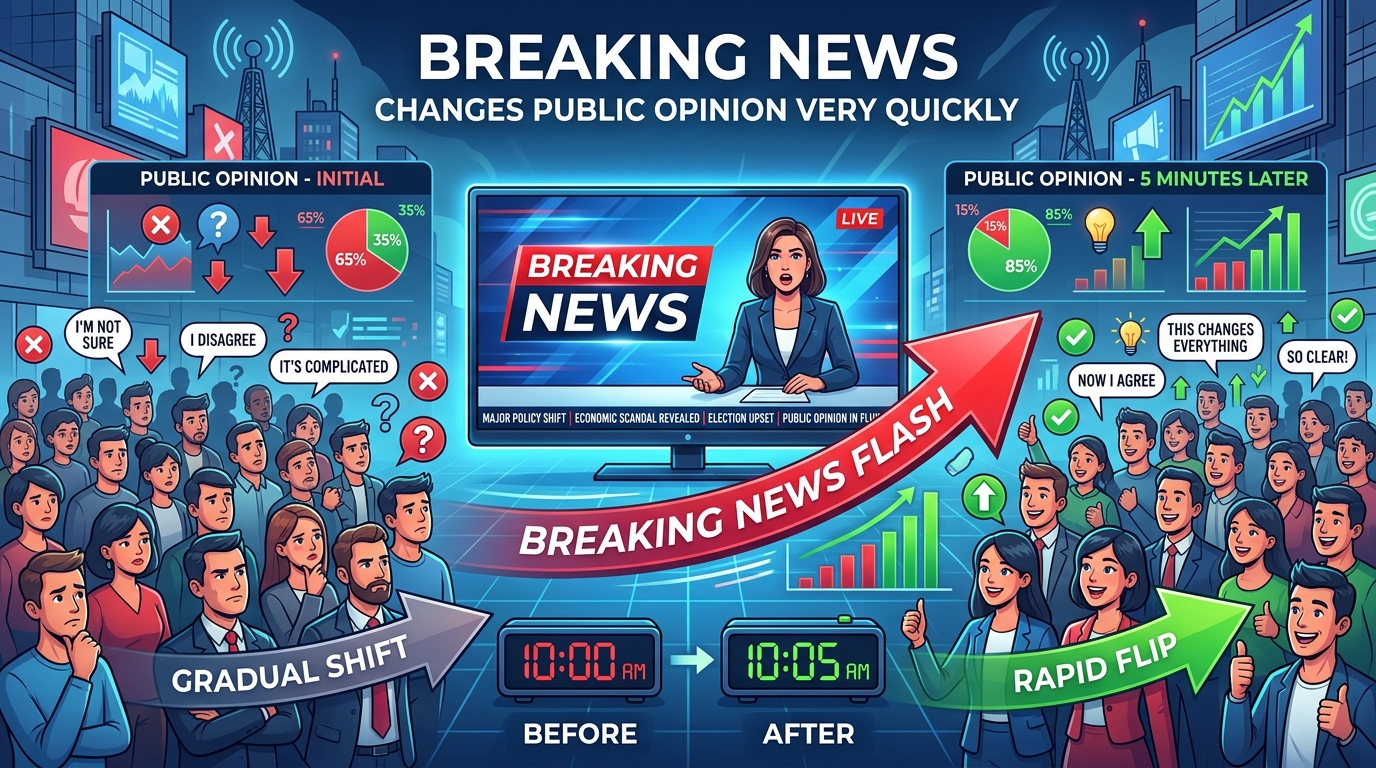
Breaking news spreads rapidly through television, websites, and social media platforms, influencing public opinion within minutes. People often react emotionally before verifying facts, allowing headlines to shape discussions, political attitudes, and social behavior immediately. Modern communication technology increases information speed, making public perception changeable today across different communities, cultures, and societies worldwide continuously.
Media Influence On Society
Fast Information Distribution
Breaking news reaches audiences instantly through television channels, online websites, and mobile applications worldwide today. People receive updates within seconds after important incidents occur, increasing awareness rapidly. This immediate access influences opinions quickly because viewers often react emotionally before carefully analyzing details, evidence, or broader social consequences completely.
Emotional Public Reactions
News stories involving crime, politics, disasters, or celebrities frequently create emotional responses among audiences everywhere today. Fear, anger, excitement, or sympathy can spread rapidly through communities after dramatic headlines appear. Emotional reactions strongly influence public discussions, voting behavior, and personal attitudes before accurate information becomes fully available publicly.
Influence Through Television
Television news channels continue shaping public opinion through live coverage, interviews, and expert discussions daily worldwide. Viewers often trust televised reports because visual presentations appear realistic and convincing. Continuous broadcasting of specific stories can influence social beliefs significantly, encouraging widespread conversations about political, economic, or cultural developments immediately.
Social Media Amplification
Social media platforms spread breaking news rapidly because users continuously share headlines, videos, and personal opinions online. Trending stories quickly attract millions of viewers globally within hours. This amplification increases influence over public opinion because repeated exposure encourages stronger emotional responses and wider discussions among internet users everywhere.
Public Attention Shifts
Breaking news frequently changes what society discusses by shifting attention toward sudden events and urgent situations immediately. Audiences focus heavily on recent stories while ignoring previous issues temporarily. Constant media updates influence priorities, conversations, and social concerns, demonstrating how quickly public interest changes through modern communication technologies today worldwide.
Political Opinion Changes
Election Campaign Effects
Breaking political news strongly influences election campaigns by shaping voter perceptions about candidates and government performance regularly. Positive reports improve public confidence, while scandals or controversies damage reputations quickly. Media coverage during elections affects undecided voters significantly because people often rely on news updates when forming political opinions publicly.
Government Decision Reactions
Public reactions toward government policies often change immediately after breaking news reports appear online or television broadcasts today. Citizens evaluate leadership decisions based on media coverage, interviews, and expert opinions presented continuously. Strong reactions can increase political pressure, encouraging leaders to respond quickly to public concerns and criticism.
Influence On Voting Behavior
Breaking political stories frequently affect voting behavior because citizens connect current events with leadership qualities and national stability. Reports involving corruption, economic problems, or social conflicts influence public trust significantly. Many voters change preferences rapidly after receiving repeated media updates about controversial or emotional political developments nationwide today.
Political Debates Intensify
News coverage surrounding political controversies increases debates among citizens, journalists, and public officials across societies daily. Different perspectives appear through interviews, panel discussions, and online comments, encouraging disagreement and strong emotional responses. Continuous debate influences public understanding while shaping opinions regarding government actions and political leadership regularly today.
International Political Perceptions
Breaking international news affects how citizens view foreign governments, leaders, and global events worldwide continuously today. Reports involving wars, diplomacy, or economic agreements influence national attitudes significantly. Media coverage shapes perceptions quickly because audiences often form judgments based on dramatic headlines, interviews, and repeated international news updates daily.
| News Source | Impact On Public Opinion |
|---|---|
| Television Channels | Strong emotional influence |
| Social Media | Rapid opinion spreading |
| Online Websites | Instant information access |
| Newspapers | Detailed analysis and context |
Social Media And Public Response
Viral News Content
Breaking news becomes viral rapidly when social media users continuously share videos, headlines, and personal reactions online worldwide. Viral stories attract attention because dramatic content spreads faster across digital platforms. This widespread exposure influences public opinion strongly, especially when audiences repeatedly encounter similar information throughout daily internet activities.
Online Discussions Increase
Social media platforms encourage large public discussions immediately after breaking news appears online today. People express personal opinions, debate controversial topics, and share emotional responses publicly. These conversations influence public perception because users interact constantly with supportive or opposing viewpoints, shaping attitudes through continuous online engagement and communication.
Spread Of Misinformation
False information often spreads quickly during breaking news situations because users share unverified stories without checking sources carefully online. Misinformation creates confusion, panic, and misunderstanding among audiences worldwide. Incorrect reports influence public opinion negatively, demonstrating why responsible journalism and fact verification remain essential within modern digital communication environments today.
Hashtag Campaign Influence
Hashtag campaigns help breaking news reach wider audiences by organizing discussions around important social or political events globally today. Popular hashtags encourage millions of users to participate within online conversations and awareness movements. These campaigns influence public opinion significantly because repeated visibility increases emotional engagement and collective reactions rapidly everywhere.
Public Pressure On Authorities
Social media reactions frequently create pressure on governments, companies, and public organizations after breaking news stories emerge online. Strong public criticism encourages immediate responses from officials seeking to protect reputations or maintain trust. Digital communication increases accountability because authorities recognize how rapidly online opinion can influence society and public confidence.
Psychological Effects Of Breaking News
Fear And Anxiety Growth
Continuous exposure to breaking news involving violence, disasters, or political conflicts increases fear and anxiety among audiences significantly today. People may feel uncertain about safety, economic stability, or future events after repeated negative coverage. Emotional stress grows because dramatic reporting encourages constant concern regarding personal and societal conditions worldwide.
Short Attention Spans
Modern audiences frequently move quickly between different breaking stories without deeply understanding complete information available online today. Constant news updates reduce attention spans because viewers focus only briefly on individual events before another headline appears. This behavior influences public understanding by encouraging shallow opinions rather than thoughtful analysis and discussion.
Confirmation Bias Development
People often prefer breaking news supporting existing beliefs while ignoring information challenging personal opinions or values today. Confirmation bias strengthens because social media algorithms display similar content repeatedly according to user interests. This pattern influences public opinion by creating divided perspectives and reducing willingness toward balanced discussions or critical thinking.
Emotional Decision Making
Breaking news encourages emotional decision making because audiences react quickly before carefully evaluating information completely today. Fear, excitement, anger, or sympathy strongly influence judgments regarding politics, social issues, and public figures. Emotional responses spread rapidly through communities, affecting conversations and shaping opinions without sufficient factual analysis or reflection regularly.
Public Trust Challenges
Frequent misinformation and sensational reporting reduce public trust toward news organizations and media platforms globally today. Audiences become uncertain about which sources provide reliable information during important events. This distrust influences public opinion significantly because people may reject accurate reporting while accepting misleading stories supporting existing personal beliefs and assumptions.
Economic And Business Reactions
Stock Market Responses
Breaking economic news strongly influences stock market activity because investors react immediately toward financial developments worldwide today. Reports involving inflation, company performance, or government policies affect market confidence significantly. Rapid trading decisions demonstrate how quickly public and investor opinions change after receiving important economic information through modern media platforms.
Consumer Buying Decisions
Breaking news about products, companies, or economic conditions frequently changes consumer purchasing behavior rapidly today worldwide. Positive reports increase confidence and sales, while controversies damage reputations immediately. Public opinion influences business success because consumers often make emotional decisions after viewing dramatic headlines or negative social media discussions online.
Corporate Reputation Management
Companies respond quickly during breaking news situations to protect public image and maintain customer trust successfully today. Public relations teams release statements, interviews, and social media updates immediately after controversies emerge. Reputation management becomes essential because negative public opinion can reduce profits, investments, and long-term customer loyalty significantly worldwide.
Employment Market Concerns
Breaking news involving economic crises, company closures, or technological changes creates employment concerns among workers globally today. People worry about financial stability and future opportunities after hearing negative reports repeatedly. Public opinion regarding economic security changes rapidly because media coverage influences confidence levels and expectations about professional growth opportunities nationwide.
Business Media Strategies
Businesses carefully monitor breaking news trends to adjust advertising, communication, and marketing strategies effectively today worldwide. Companies recognize that public opinion changes rapidly during major events or controversies. Strategic responses help organizations maintain positive reputations while ensuring customers continue trusting products, services, and corporate leadership during challenging situations consistently.
Journalism Responsibilities Today
Importance Of Fact Checking
Accurate journalism remains essential during breaking news situations because false reports spread rapidly across media platforms worldwide today. Journalists must verify sources carefully before publishing stories publicly. Responsible fact checking protects audiences from misinformation while encouraging informed opinions based on reliable evidence rather than emotional assumptions or rumors online.
Ethical Reporting Standards
Ethical journalism requires fairness, accuracy, and responsibility when covering sensitive breaking news events globally today. Reporters should avoid exaggeration, misleading headlines, or emotional manipulation designed solely for attracting attention. Ethical reporting strengthens public trust while ensuring audiences receive balanced information supporting thoughtful discussions and informed social understanding consistently everywhere.
Avoiding Sensationalism
Sensational reporting increases audience attention temporarily but often damages public understanding and trust significantly today worldwide. Dramatic headlines may exaggerate situations, encouraging fear or confusion among viewers unnecessarily. Responsible journalism focuses on factual reporting instead of emotional manipulation, helping audiences develop balanced opinions regarding important social and political events accurately.
Protecting Public Awareness
Journalists play important roles protecting public awareness by delivering accurate information during emergencies, disasters, or political crises today. Reliable reporting helps citizens understand situations clearly while reducing confusion and panic. Media organizations influence public opinion positively when prioritizing truthful communication, educational content, and responsible journalism practices consistently worldwide today.
Digital Journalism Evolution
Digital journalism continues evolving because audiences increasingly consume breaking news through smartphones and online platforms today worldwide. Reporters now publish updates instantly while competing for public attention constantly. This evolution increases information accessibility but also creates challenges regarding accuracy, credibility, and maintaining professional journalism standards within fast-paced digital environments globally.
Future Of News Consumption
Artificial Intelligence Reporting
Artificial intelligence technologies increasingly assist journalists by analyzing data, generating reports, and identifying trends rapidly today worldwide. Automated systems improve news distribution speed while supporting faster information processing during breaking events. Public opinion may become influenced further because technology enables continuous updates and personalized news experiences for audiences globally regularly.
Personalized News Feeds
Digital platforms provide personalized news feeds according to user interests, behavior, and viewing preferences today worldwide. Audiences receive stories matching personal opinions more frequently than balanced perspectives. This customization influences public understanding significantly because individuals may encounter limited viewpoints while avoiding broader discussions regarding important social or political matters online.
Growth Of Independent Media
Independent media platforms continue growing because audiences seek alternative perspectives and faster breaking news coverage globally today. Smaller organizations often attract viewers through direct communication and specialized reporting styles. This growth influences public opinion by increasing information diversity while challenging traditional media institutions and established journalism practices continuously worldwide.
Increased Mobile Consumption
Smartphones have transformed news consumption because people access breaking updates anytime and anywhere conveniently today worldwide. Mobile applications deliver notifications instantly, encouraging continuous engagement with current events and public discussions. Increased mobile usage strengthens media influence because audiences remain connected constantly through digital communication platforms and online information sources.
Demand For Reliable Sources
Modern audiences increasingly demand reliable news sources because misinformation spreads rapidly during breaking events worldwide today. People recognize the importance of trustworthy journalism for understanding political, economic, and social developments accurately. This demand encourages media organizations to improve transparency, credibility, and professional reporting standards within competitive digital environments consistently globally.
Why does breaking news influence people quickly?
Breaking news spreads rapidly through media platforms, encouraging emotional reactions before audiences fully analyze information carefully.
How does social media affect public opinion?
Social media amplifies discussions, spreads information quickly, and influences attitudes through continuous online interactions daily.
Why is misinformation dangerous during breaking news?
Misinformation creates confusion, panic, and incorrect public understanding regarding important events and social issues worldwide.
Can breaking news affect elections?
Yes, political breaking news often changes voter opinions and influences election outcomes significantly during campaigns.
Why is responsible journalism important today?
Responsible journalism ensures accurate reporting, protects public trust, and reduces misinformation during important breaking events.
Conclusion
Breaking news plays a powerful role in shaping public opinion because information spreads instantly through television, websites, and social media platforms worldwide today. Emotional reactions, political discussions, and economic decisions often change rapidly after major events receive media attention. Responsible journalism, accurate reporting, and critical thinking remain essential for helping audiences understand situations clearly while avoiding misinformation and unnecessary public confusion everywhere.
