


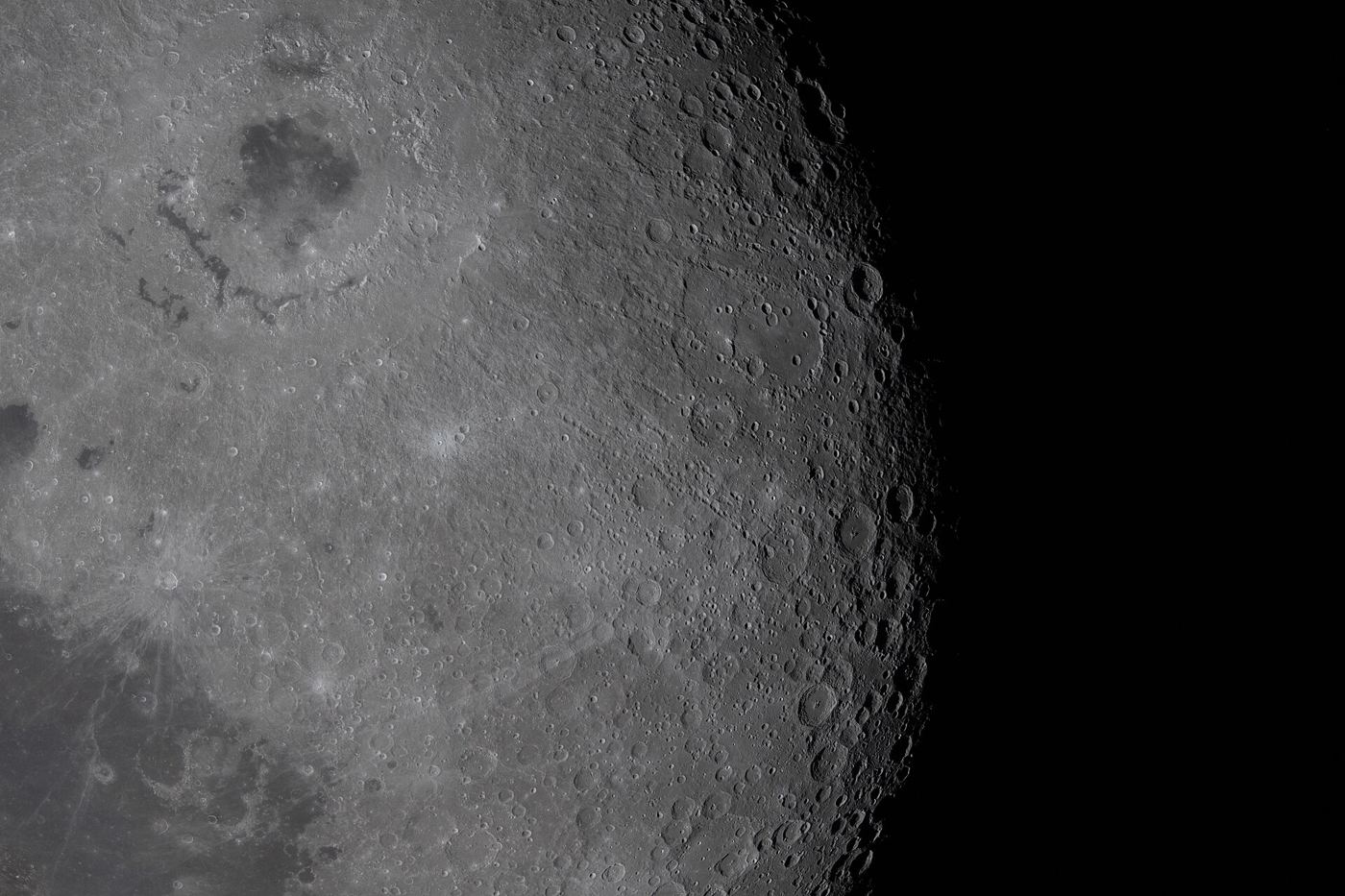
Seismometers placed on the Moon are listening for faint tremors that reveal what lies deep beneath its cratered crust. The Moon is far quieter than Earth, with no oceans, weather or plate tectonics to generate background noise, so sensitive instruments can detect remarkably small events. Some moonquakes originate hundreds of kilometres down, possibly triggered by Earth’s gravity repeatedly squeezing and releasing the lunar interior. Others are shallow and surprisingly strong, thought to come from faults adjusting as the Moon slowly cools and contracts. Each tremor sends waves through the interior, and their speed and reflections tell scientists about layers they can never drill into directly. Knowing whether the Moon has a partly molten zone above its core matters for understanding how it formed after a giant impact with the early Earth. It also matters practically, because future surface bases need realistic estimates of shaking risk. Engineers designing habitats must know whether local quakes could damage foundations, masts or buried equipment. A new generation of instruments, built to survive the freezing lunar night, promises longer and cleaner records than the pioneering Apollo-era stations achieved.
What the Evidence Shows
Building the lunar seismometer network is an exercise in endurance as much as sensitivity. Instruments must operate through two-week nights when temperatures fall far below anything experienced on Earth’s surface, running on carefully rationed battery power. Designers bury or shield sensors to reduce the creaks and pops caused by extreme surface temperature swings, which can masquerade as genuine quakes. Analysts then sort real events from impacts, because meteorites striking the Moon also ring its interior like a bell and provide useful calibration signals. Comparing tremors recorded at several sites lets researchers triangulate their sources and refine models of the crust’s thickness, which varies greatly between the near and far sides. Some scientists hope the data will settle whether deep moonquakes cluster in specific zones, hinting at pockets of remaining internal heat. The results feed directly into site selection for long-term exploration, favouring ground that is both stable and scientifically revealing. Every additional month of quiet listening sharpens the picture of a world that looks still from Earth but remains subtly active within. Reporting and analysis from sources such as NASA track the same developments, and specialists following the lunar seismometer network say the direction is now consistent across independent lines of evidence.
The Wider Context
Funding bodies are watching the lunar seismometer network closely because the work sits at the junction of basic curiosity and practical return. Grant panels increasingly ask for a path from discovery to application, while researchers push back that the most valuable uses of fundamental science are rarely the ones written into the original proposal. The tension is productive when both sides stay honest about timescales.
What Happens Next
The long view on the lunar seismometer network is that fields advance by accumulation rather than by single announcements. This result adds a solid, checkable piece to a structure many teams are building, and its authors have shared their data so the piece can be tested from every side. That is how the picture eventually becomes reliable enough to act on. You can follow related developments in our coverage of science.
It is also worth remembering how quickly the picture in this area has changed before. Positions that looked settled a few years ago have been revised as new data arrived, and the same humility is appropriate now. The strongest coverage of this subject, and the most useful advice, tends to come from sources that update their views openly when the facts move, rather than defending an earlier position long after it has stopped fitting the evidence available.
