


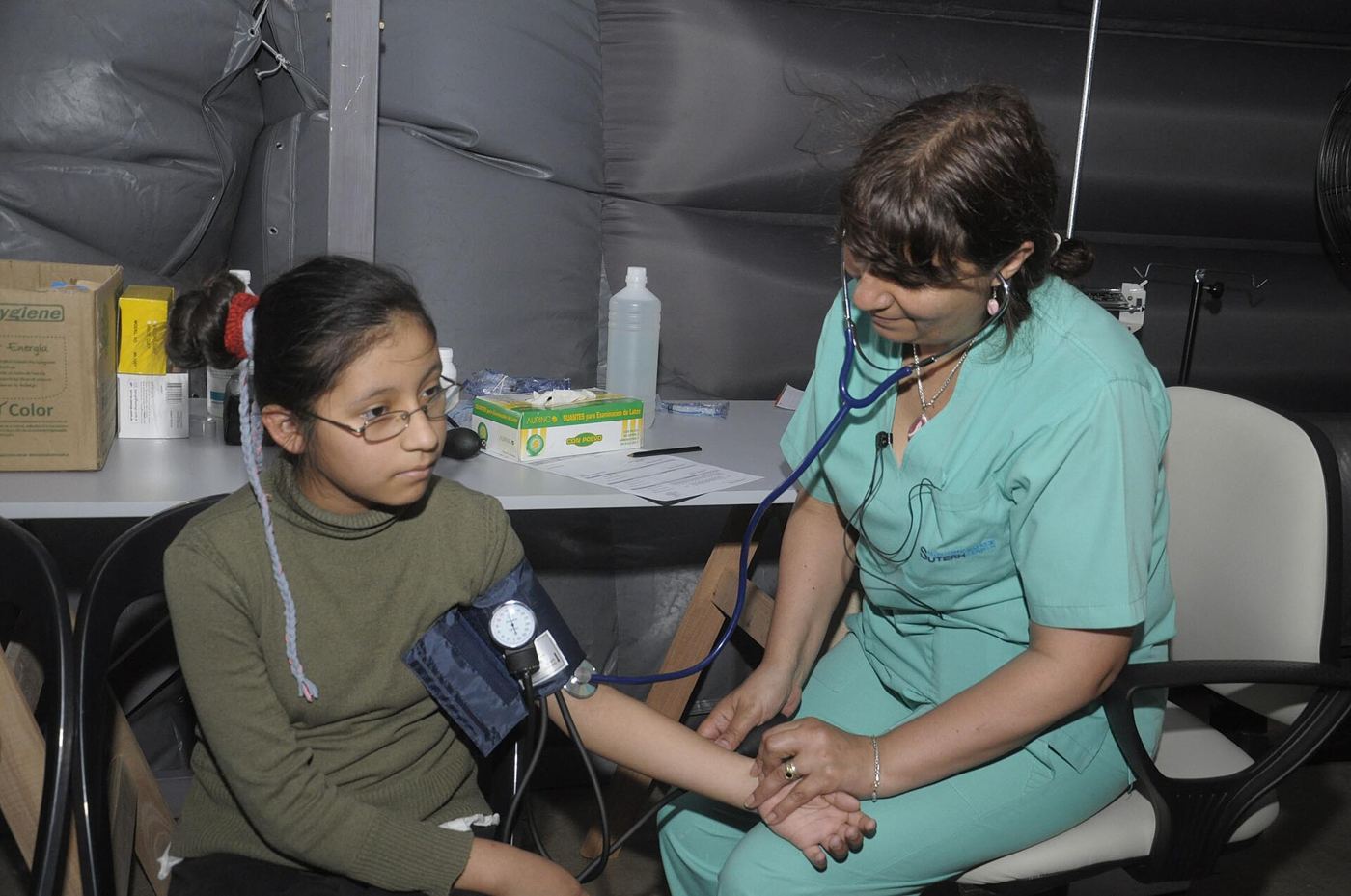
A landmark international trial has shown that a single-pill combination treatment, delivered with team-based care, can substantially improve blood pressure control in settings where resources are limited. The CATCH trial enrolled 1,706 adults with uncontrolled hypertension across 40 primary care clinics in Jamaica and Colombia, and its findings were published in the Journal of the American Medical Association in November 2026. Researchers from the University of the West Indies, led in Jamaica by Professor Marshall Tulloch-Reid, helped run the study, which was funded by the United States National Heart, Lung, and Blood Institute. Hypertension is a leading contributor to heart disease, stroke, kidney disease, dementia and premature death across the Caribbean, where control rates have long been poor. The trial is one of the largest hypertension studies ever run in the Caribbean, and its results were presented as a model for other low-resource health systems.
What the Evidence Shows
After 18 months, participants receiving the intervention had blood pressure on average 10 mmHg lower than those receiving usual care. Nearly 70 percent of the intervention group reached blood pressure below 130/80 mmHg, compared with 30 percent in the usual-care group, and there was no difference in serious side effects. The approach combines a single pill containing several blood-pressure medicines, which is easier for patients to take every day, with support from a team of health workers rather than a single doctor. It is the largest study to demonstrate the long-term benefit of single-pill combination tablets on blood pressure control, and the researchers say it offers a practical, scalable model for governments and health systems in the Caribbean and beyond. Health officials say the model could be rolled out through existing primary care clinics without building new facilities or hiring large numbers of specialists. Reporting and analysis from sources such as NASA track the same developments, and specialists following the CATCH hypertension trial say the direction is now consistent across independent lines of evidence.
The Wider Context
Funding bodies are watching the CATCH hypertension trial closely because the work sits at the junction of basic curiosity and practical return. Grant panels increasingly ask for a path from discovery to application, while researchers push back that the most valuable uses of fundamental science are rarely the ones written into the original proposal. The tension is productive when both sides stay honest about timescales.
What Happens Next
The long view on the CATCH hypertension trial is that fields advance by accumulation rather than by single announcements. This result adds a solid, checkable piece to a structure many teams are building, and its authors have shared their data so the piece can be tested from every side. That is how the picture eventually becomes reliable enough to act on. You can follow related developments in our coverage of science.
It is also worth remembering how quickly the picture in this area has changed before. Positions that looked settled a few years ago have been revised as new data arrived, and the same humility is appropriate now. The strongest coverage of this subject, and the most useful advice, tends to come from sources that update their views openly when the facts move, rather than defending an earlier position long after it has stopped fitting the evidence available.
